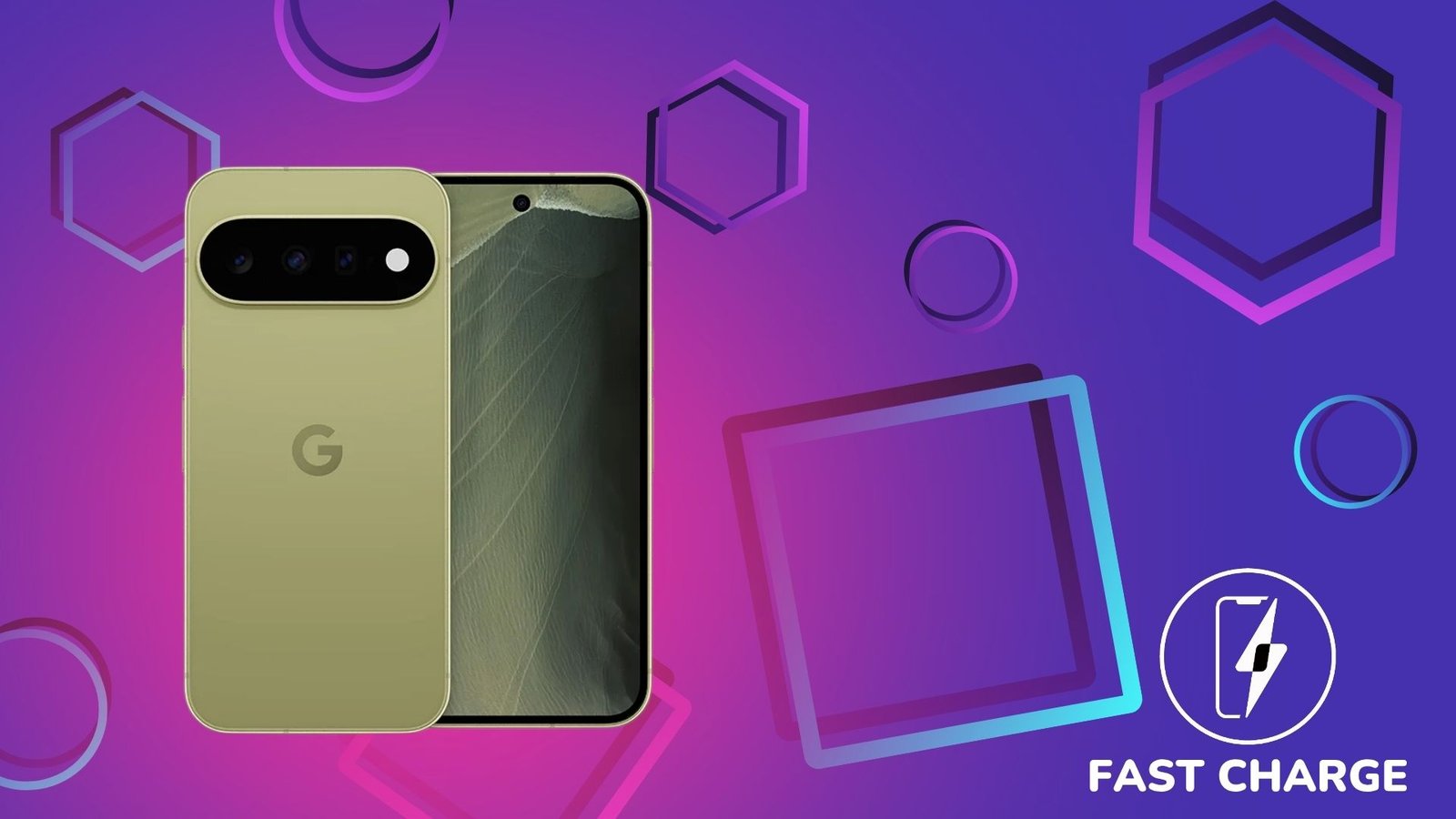
Google’s Pixel collection has shifted its focus from camera to AI over the past few years, largely thanks to the increasingly capable Gemini — and of course that continues with this year’s Pixel 11 collection.
However, if you’re tempted to pre-order one ahead of its release later this month, I suggest you think twice.
Why? Because some of the popular AI features that Google has been singing and dancing about since Android 17 was first announced in May are arguably the reason to upgrade from last year’s Pixel 10 — they’re not actually available in regions outside the US.
The Pixel 11 collection is all about Gemini Intelligence
The Pixel 11’s AI features fall under the new ‘Gemini Intelligence’ umbrella that Google first outlined when it announced Android 17 in May – and there’s plenty more on the way.
It starts with big updates to existing features like Rambler, which works pretty much like the current speech-to-text on Android, but can remove filler words, edit on the fly, and more, making it easier to get your point across using your voice without sounding confusing or awkward.

There’s also a new AI-injected lock screen experience, which Google explains will be able to proactively display the name of a restaurant you’re about to go to, along with AI-generated insights and reviews from Google Maps. This also extends to the home screen, with new custom AI-generated widgets and smarter, more proactive shortcuts that appear throughout the day.
And of course, Gemini itself is said to be smarter; along with advanced automation that allows Gemini to perform in-app tasks on your behalf, you’ll be able to compare hotels and the like side-by-side in chats, and Circle to Search will be available from the search engine for real-time object searches or translations.
It’s certainly a big upgrade to an already wide range of AI services, but as is increasingly the case, there’s a catch.
The problem is that the features are not completely ready
Back in 2024, Apple announced Apple Intelligence as part of its iPhone 16 marketing campaign — the problem was that the AI features weren’t available at launch. In fact, some features, like the redesigned Siri, do still isn’t out yet — though the latter will, admittedly, finally appear in iOS 27 next month.
However, consumers did not really appreciate this approach; If you’re told that your shiny new phone can do all these smart things, only to have them not available on said (very expensive) phone, you’re not going to be happy – and that’s basically what happened. Everyone complained, no one was happy, and there was even talk of lawsuits.

So why Google decided to take a leaf out of Apple’s book is bizarre; but essentially the situation is the same.
When Google revealed Gemini Intelligence’s big features in May, the company confirmed that they wouldn’t be there at launch; instead, they would delay the introduction for an entire year.
Google has tried to temper expectations, outlining that Chrome auto-browsing will be the first, with other features “rolling out in waves” first to select Pixel and Samsung phones. However, this is also worth considering where You are in the world, not just the phone you use. Because these features rely heavily on artificial intelligence, Google has to jump through regulatory hoops to bring them to consumers.
We’ve seen this issue rear its head several times. Chrome Auto Browse launched in June, as Google claimed, but only for US users with the AI Pro or Ultra plans – and it’s a similar story with the new advanced automation technology, which is still unavailable in Blighty even after Samsung said it would be coming to the UK when the Galaxy Z Fold 8 was launched.

To be fair to Google, it’s not a complete software ghost town on day one. The Pixel 11 ships out of the box with functional updates on the device – most notably the revamped Rambler voice dictation and camera AI tools like Magic Capture and Camera Looks.
But the truly transformative, highlight features — like agent multi-step automation, custom widget creation, lock screen location, and live app browsing — are either trickling out in cascading preview waves or are completely geo-blocked outside of the US for the foreseeable future. Since Google avoids strict release dates for wider regional rollouts, this is unlikely to inspire confidence among early adopters.
Wait a little while and save some money
Of course, that doesn’t automatically make it the Pixel 11, 11 Pro, 11 Pro XL, or 11 Pro Fold bad purchases for those outside the US — still offer other tweaks to the Pixel formula, whether it’s a redesigned camera bar, improved Tensor G6 performance, or, for Pro models, a new HiLight notification LED on the back of the phone.
However, I’d argue that these updates will have a relatively minimal impact on your day-to-day life on the Pixel 11, compared to features like automatic Chrome browsing and a version of Gemini that can perform tasks on your behalf in apps that could really improve things. Mainly when you pay full price for the phone, and doubly so when Google touts these features as the main reason to upgrade.

My advice? If you’re in a region where the full suite of Gemini Intelligence services aren’t available, give it a few months. If you wait a little longer before investing, you’ll not only have these features ready from the phone’s launch — but it’ll likely drop in price, too.
Pixels aren’t exactly known for holding their value for too long; the £999 Pixel 10 Pro dropped to £162 within a few months, before dropping back to £519 in June – and I fully expect the same to happen to this year’s Pixel 11 collection.
So if you’re only buying the Pixel 11 collection for Gemini Intelligence and you’re not in the US, hold on a little longer. You will have a better experience, and you can even get it cheaper.
\