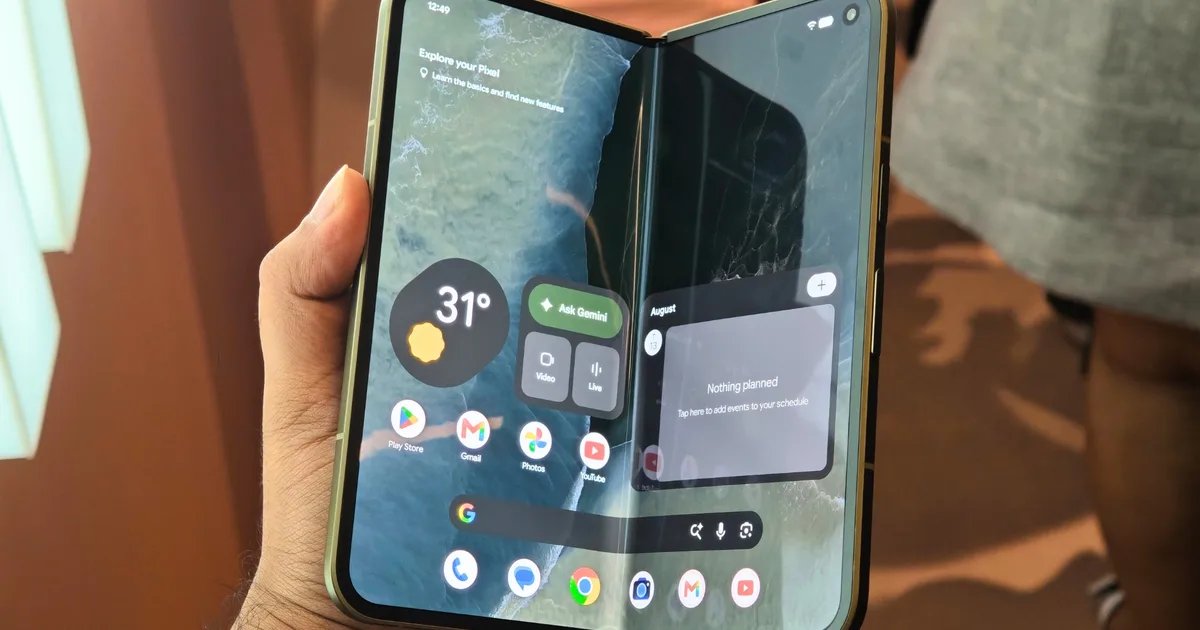
Google has a new foldable on the shelves, and it’s a very impressive package with a few caveats. I spent some time with the phone earlier today, and after collecting my thoughts, I can’t really decide whether to get excited or ignore it in favor of rivals like the Samsung Galaxy Z Fold 8 pair.
The puzzle is legitimate. After all, it’s a $1,899 phone, and that’s the base price. But based on my limited time with the phone, it seems like an overwhelmingly more practical device, especially for buyers in the US. But let’s put the comparisons aside for the last part of the discussion.
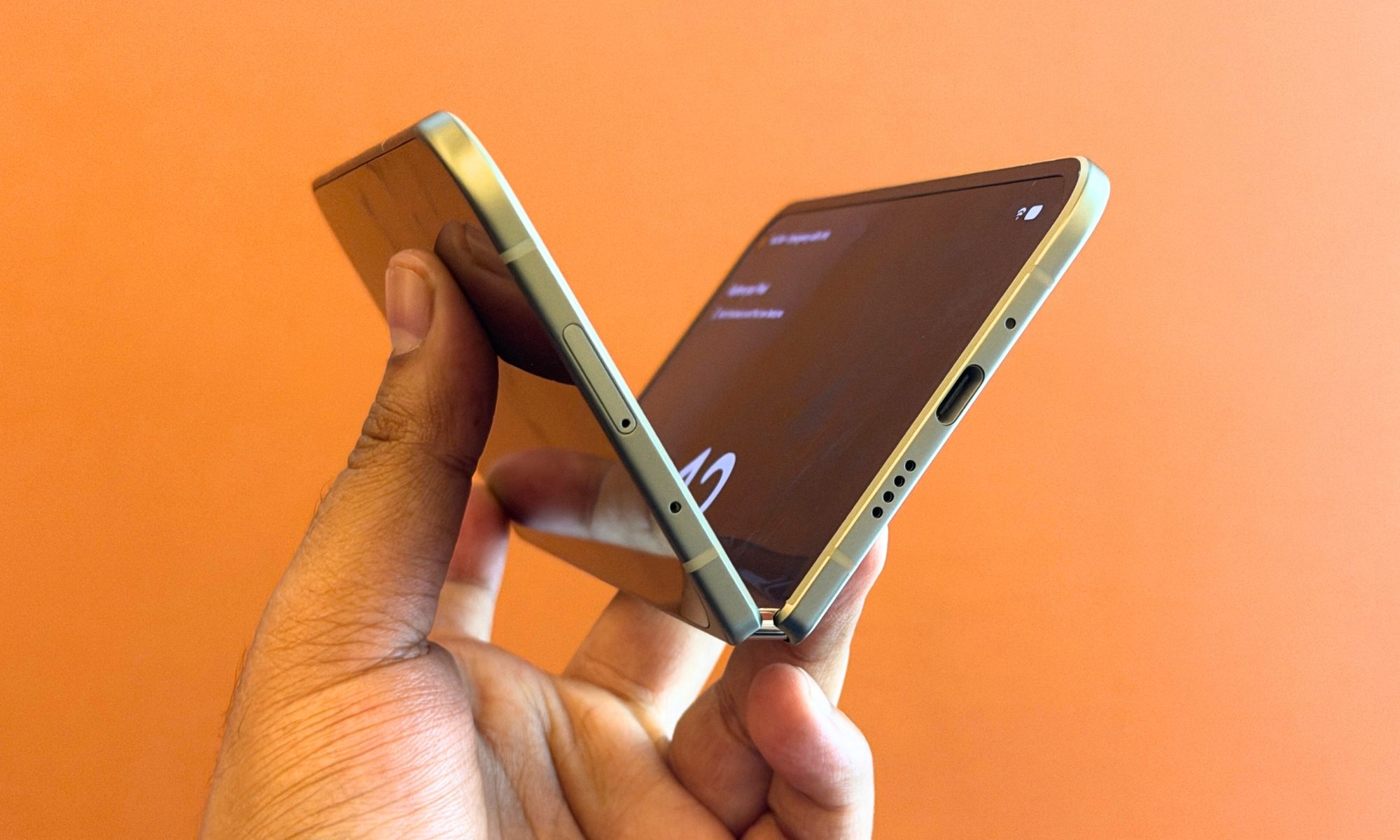
Google has finally cut its foldable
The Pixel 11 Pro Fold has a lot going for it, especially when you look at the upgrades it brings to the table. It’s thinner (76mm folded and 150.4mm unfolded vs. 76.3mm folded and 150.4mm unfolded) and lighter (239 vs 258 grams). The difference doesn’t seem like much, but when you hold the device, the difference is immediately felt.
I’ve been using the Pixel 10 Pro Fold for a healthy few months, and it’s had plenty of issues with weight and weight. The pain was especially noticeable when I was driving sleek foldable devices like the Honor Magic V6 and Samsung Galaxy Z Fold 7. The moment I held the Pixel 11 Pro in my hands, I immediately felt the difference.
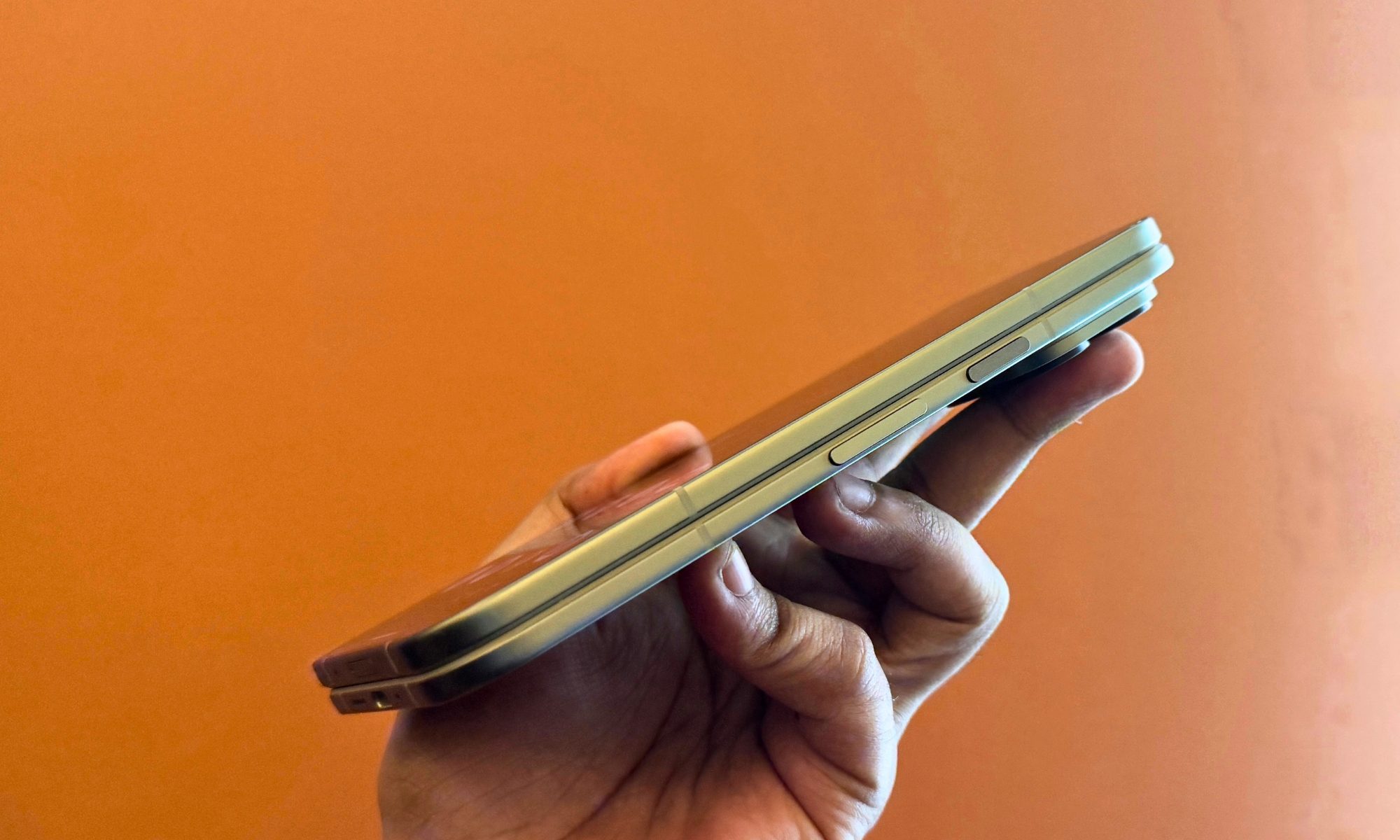
Beyond the numbers, though, it just looks more refined, and the slimmer profile makes for noticeably more comfortable one-handed use than a traditional flat phone. Google hasn’t changed much with screen real estate, but there are some practical changes that buyers will appreciate.
Harder where it really counts
Peak brightness has increased by 20% and now reaches 3600 nits on both screens. In addition, the cover screen is now protected by a layer of ceramic glass. There’s a fiberglass composite on the back that Google says is nearly impossible to break.
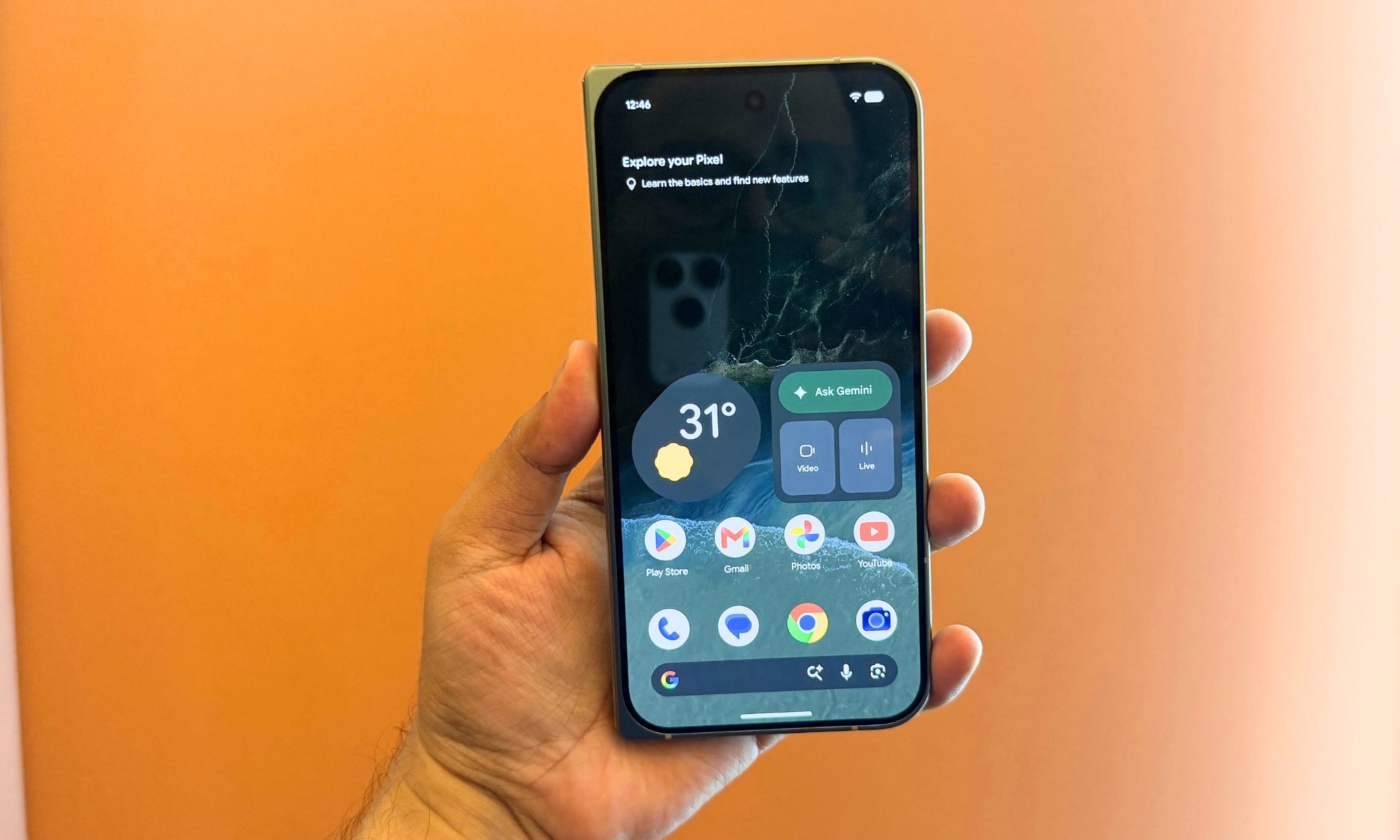
The hinge has a new gearless mechanism to protect the flexible panel. Overall, we can say that we have a 3x more powerful device. I would even increase the durability by 2x, to be fair. You see, with a foldable phone, any added power is welcome, more so than the average flat phone.
That’s because foldable phones are still notoriously fragile, despite claims of increased durability every year. Moreover, their repair is not only more complicated, but also much more expensive. If you manage to break some of the moving parts inside the hinge assembly, you’ll need to replace the entire display assembly.
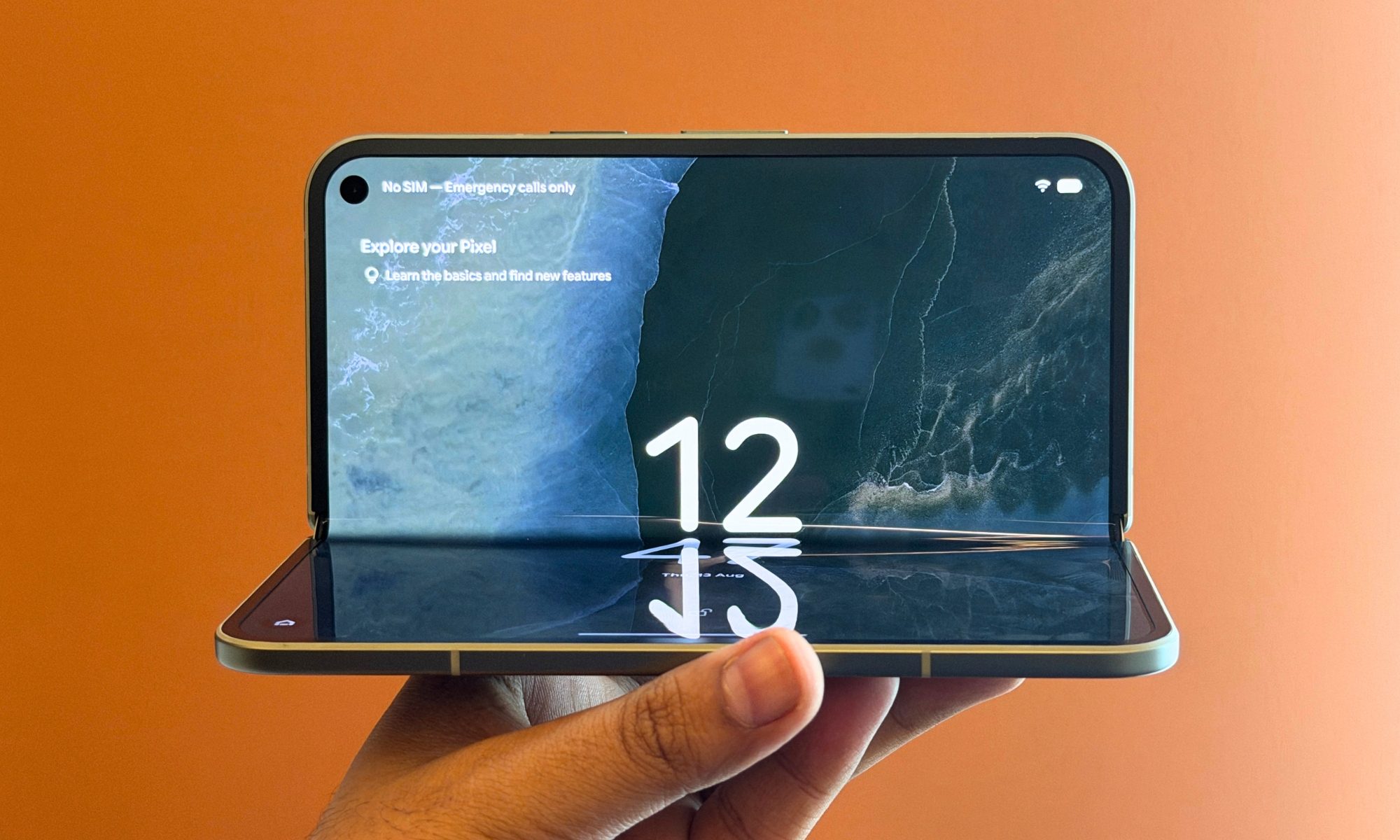
I’m inclined to believe Google’s claims about the 3x increased durability of the Pixel 11 Pro Fold, despite a lot of skepticism over the years. But I’m glad the company paid as much attention to a much-needed practical update as it did to speeding up the inside of its latest foldable device.
Speaking of fixes, Google made another promise at its launch event that caught my attention. The company keeps parts in stock for up to seven years, matching the longevity of software upgrade support. It’s a sensible promise, and a huge relief for anyone who wants to use their phone for a few years in good health.
IP68 dust and water resistance, one of the best the industry has to offer, is here to stay. In comparison, the Samsung Galaxy Z Fold 8 Ultra is still IP48 protected, while the impressive Oppo Find N6 is still IP59 rated. In the field of foldable devices, Google has made a significant leap.
HiLight adds a little personality, but the camera is too safe
The color-coded HiLight LED on the back gives the device a practical feel. It’s kind of funny how Google wants you to use your phone less (after being distracted by a barrage of notifications), and the solution is a LED that lights up a specific color to indicate whether it’s an important call or not.
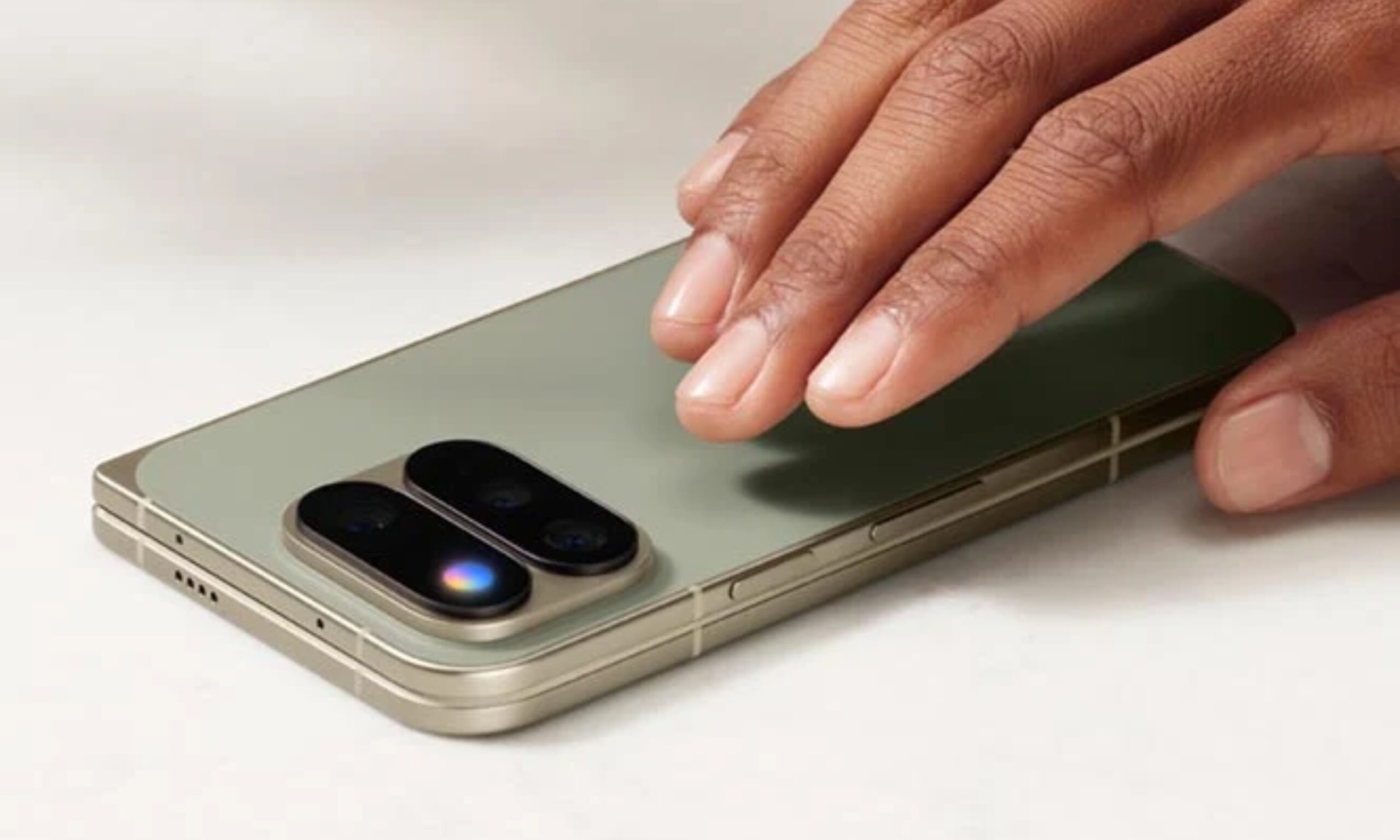
Not much has changed in the camera department, and that’s a bummer, especially for a brand like Pixel that cites its imaging chops as one of its key selling points. However, there are also some interesting new camera tricks.
The Super Zoom performance has been increased to 30x and we also get Camera Looks, which I’m really excited to try out.
The Action Pan and Creator Suite are pretty exciting, and as someone who regularly makes product and tutorial videos, I’m excited to see these new features. The faster Tensor G6 silicon should make the device nicer, and I like the convenience of faster wireless charging.
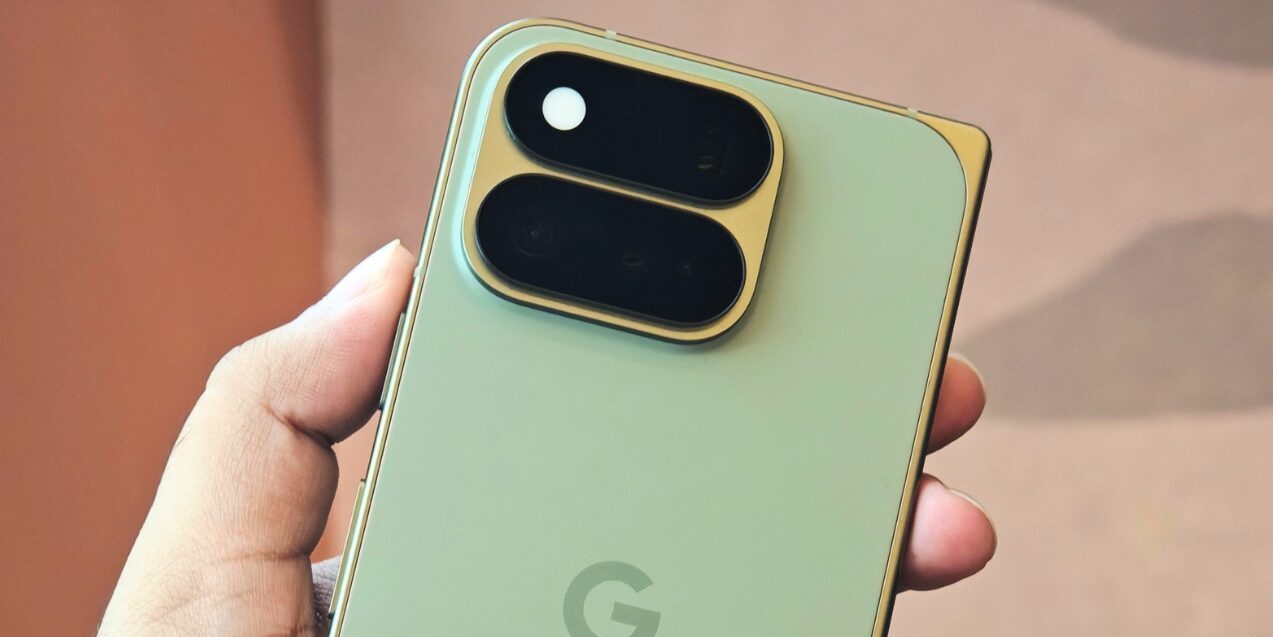
Oh, and did I mention that the new Olive color option looks stunning? Yes, that too.
Google has made the right trade-offs… mostly
But not everything is so great. The battery is a little smaller. And the lack of hardware-level camera updates will sting many buyers, despite the higher price. Some of my techie peers have said that the Pixel 11 Pro Fold is “meh” or even “a letdown,” but I don’t feel the same way. The changes are subtle, but the focus on practical comfort (due to the foldable design) is what stood out to me.
I’ll be holding the device in my hands soon and giving it the in-depth treatment. Of course, it will be compared to the Pixel 11 Pro (which I also test), and there will be no knocks. Overall, though, I feel more positive about Google’s foldable phone this year than ever.
\