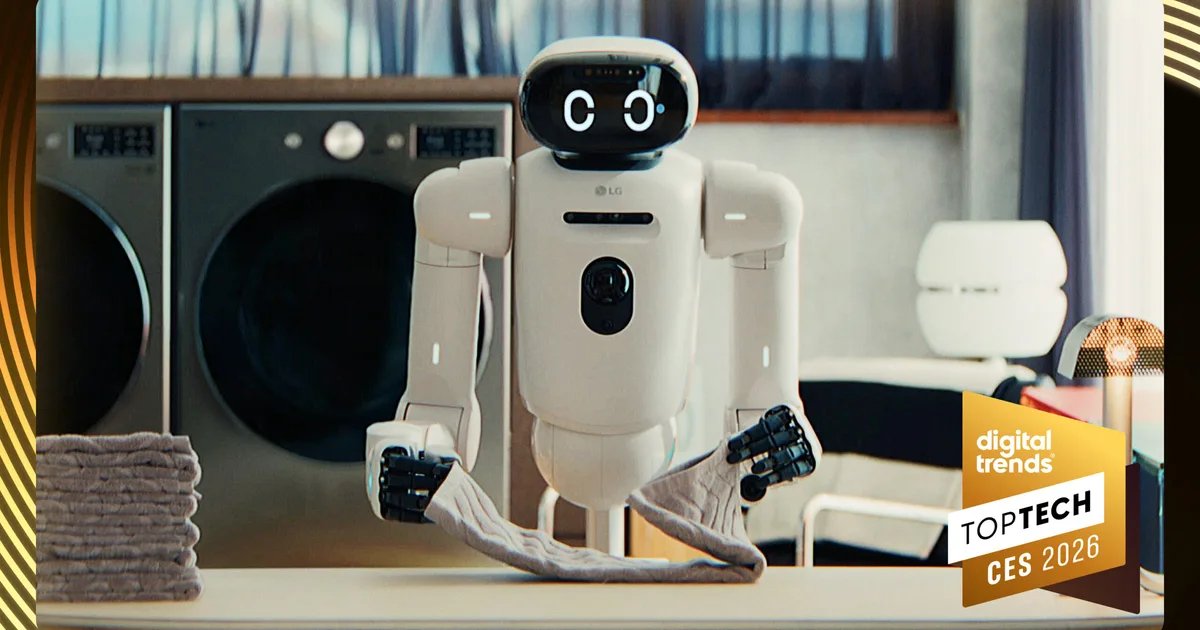
The FCC has used its blacklist to push Chinese technology out of US markets, and robots have become its latest target. Foreign-made humanoids, quadrupeds, and even robot vacuum cleaners mostly have to be made in the US to be sold here (via The rest of the world).
So what does the new rule actually require?
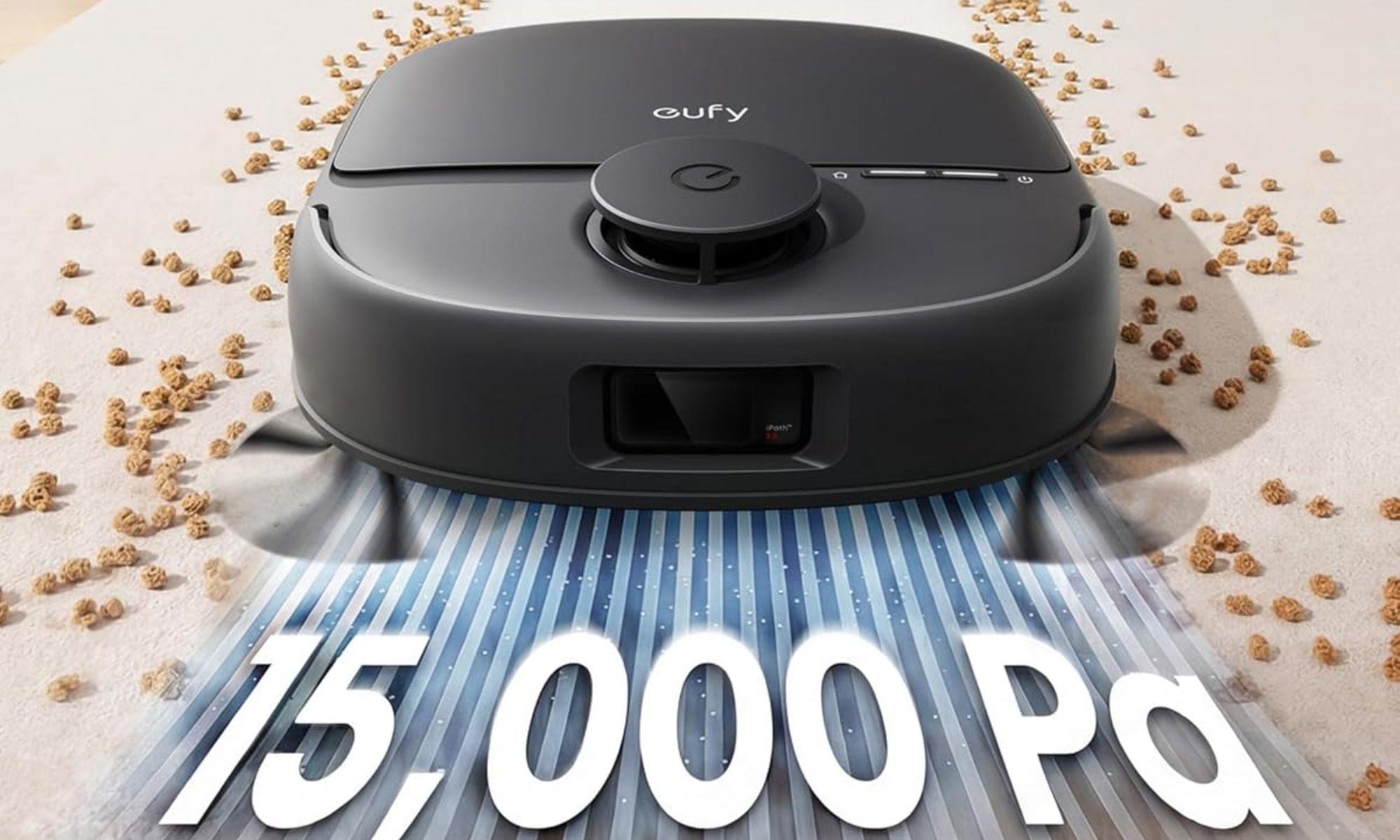
The FCC last month added “advanced robotic devices” to the covered list, the same national security roster that previously blocked devices from Chinese companies such as Huawei and ZTE. New models of foreign-made humanoids, quadrupeds, robotic vacuum cleaners, and even lawnmowers are now barred from entering the U.S. market.
Only models that are domestically assembled and have at least 65% of their parts value from the United States qualify. The threshold will rise to 75% by 2029. The policy does not target (or mention) any one country, but is widely understood to be specifically aimed at reducing Chinese imports.
The good news is that existing (already discounted) products are not affected. Robots imported solely for research and development (non-commercial purposes) are exempt from the rule for the time being.
How are startups actually responding to this?
According to the founders, reaching the 65% local procurement threshold is currently almost impossible. Many motors, sensors and actuators are either too expensive, too slow to acquire, or – worst of all – simply not available domestically. The problem is so bad that employees are said to have shipped parts from China in their luggage to keep the prototypes moving.
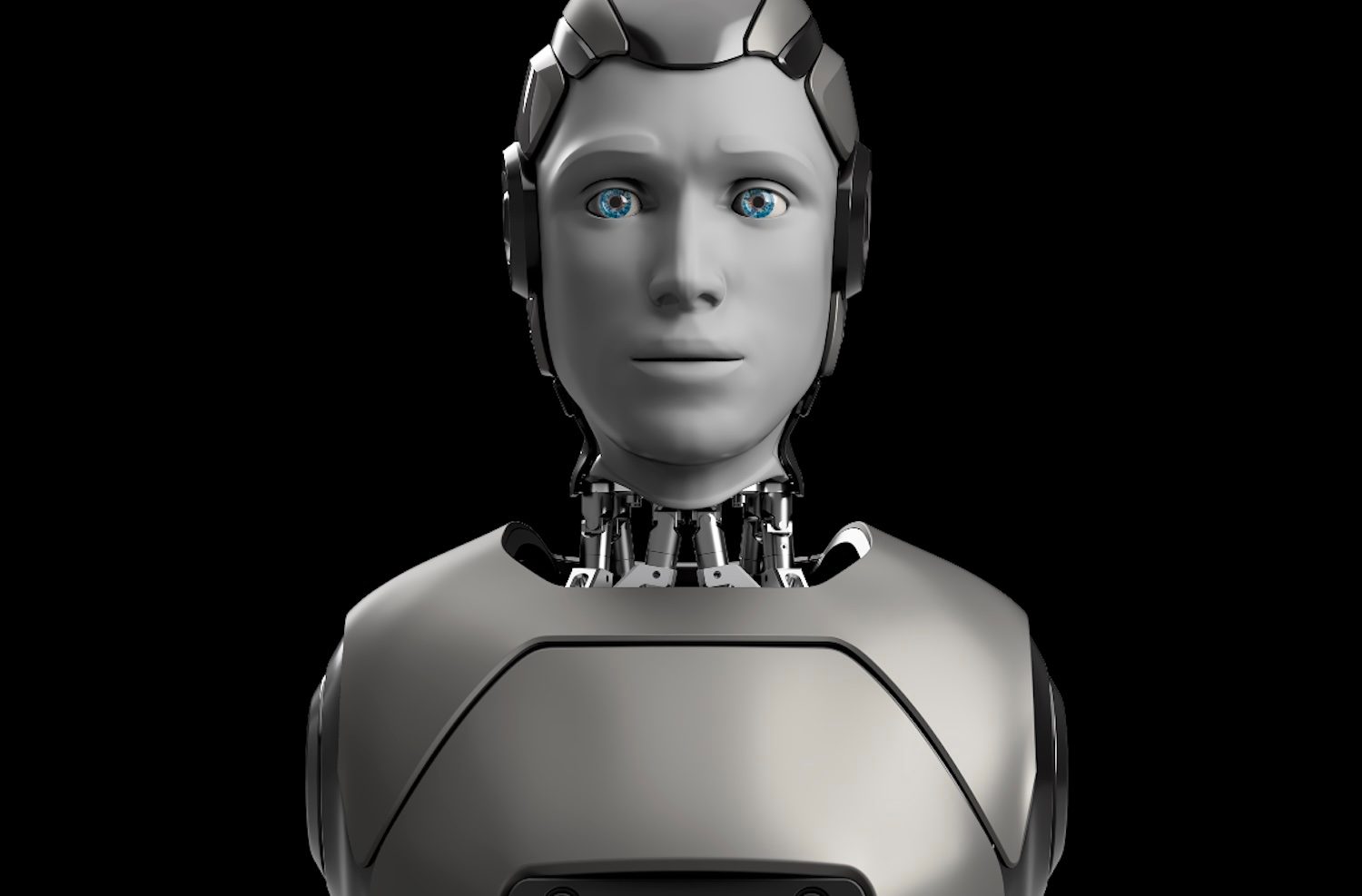
Michael Perry of Persona AI put it bluntly: “Both the carrot and the stick must be provided.” Not everyone is upset, though. Oregon-based Agility Robotics and San Francisco-based Nori Robotics both welcome the rule, saying it will ultimately protect them from cheaper Chinese competition.
However, there is no denying that the rule will make procurement more difficult in the near future. It was no accident that China eventually dominated robotics production. Decades of public investment, a deep engineering workforce, and a boom in electric vehicle manufacturing have created the kind of sensors, batteries, and actuators that supply chain robots rely on.
The result: according to research company Omdia, in 2025, nearly 90% of the goods sold worldwide will be Chinese-made humanoids.
\