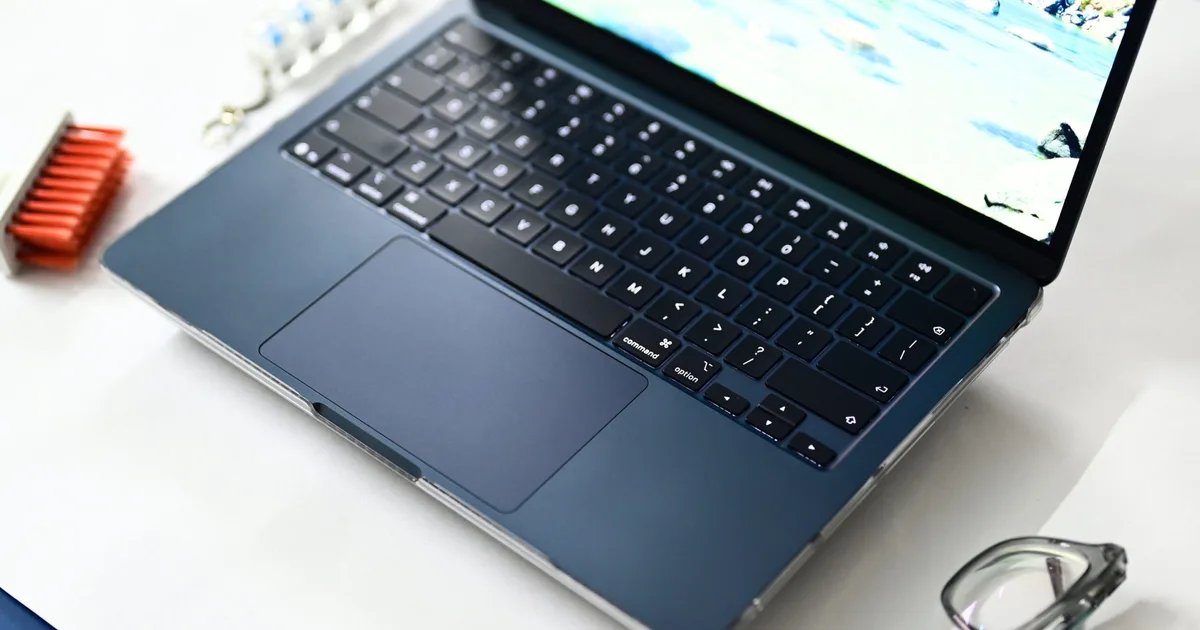
For nearly four years, I used the M1 MacBook Air as my primary laptop. During that time, I’ve used it for everything from writing news stories to editing photos for reviews, flying to weekend work. And if there’s one thing that deserves more praise than the slim case and overall design, it’s the speakers.
Whether I’m watching an Apple keynote on YouTube, a stand-up comedy in my room, a movie with a couple of friends at work, or simply hearing the charging bell and notification sounds, the M1 MacBook Air always sounded remarkably clear and surprisingly loud. Whether it’s the screeching of ghosts in The Conjuring, the sounds of the web swinging during an intense Spider-Man action sequence, or Chandler’s one-liners from Friends, it never sounded like a sound coming from a laptop.
That changed when the M1 MacBook Air suddenly refused to turn on in June 2026 and I was forced to buy the 13-inch M5 MacBook Air with 16GB of RAM and 512GB of storage. Everything about the M5 MacBook Air feels like an upgrade, as it should be, considering it’s five generations newer, except for the speakers.
The four-speaker “upgrade” that sounds worse than two
On paper, the M5 MacBook Air should sound better. It swaps the M1’s two-speaker setup for a four-speaker system. In practice, however, it doesn’t sound as loud or rich as the M1 MacBook Air.
What you really get is a thin, almost empty midrange, a sharp emphasis on high frequencies and minimal low-end presence, the kind of sound that makes dialogue clear but makes music and movies feel flat and lifeless. There’s no fullness to it, no weight behind a bass line or an explosion, just the high notes doing the heavy lifting.
I noticed almost immediately. During the setup, I heard a couple of beeps and instinctively tried to turn up the volume, but realized that it was already maxed out. A few days later, a friend who always raved about the M1 MacBook Air’s speakers asked a simple question: “What’s wrong with the speakers?” I told him what I thought was going to happen.
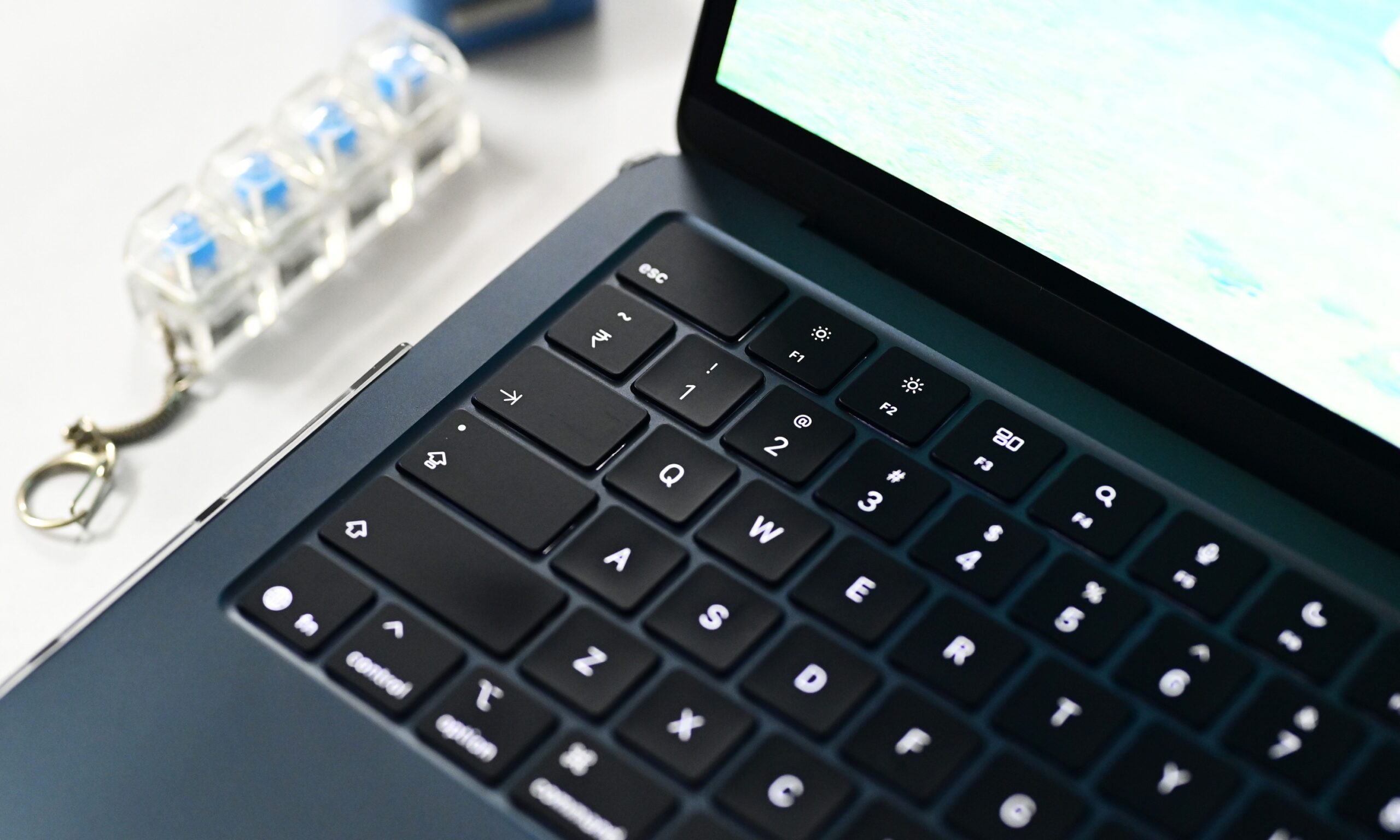
What’s going on here?
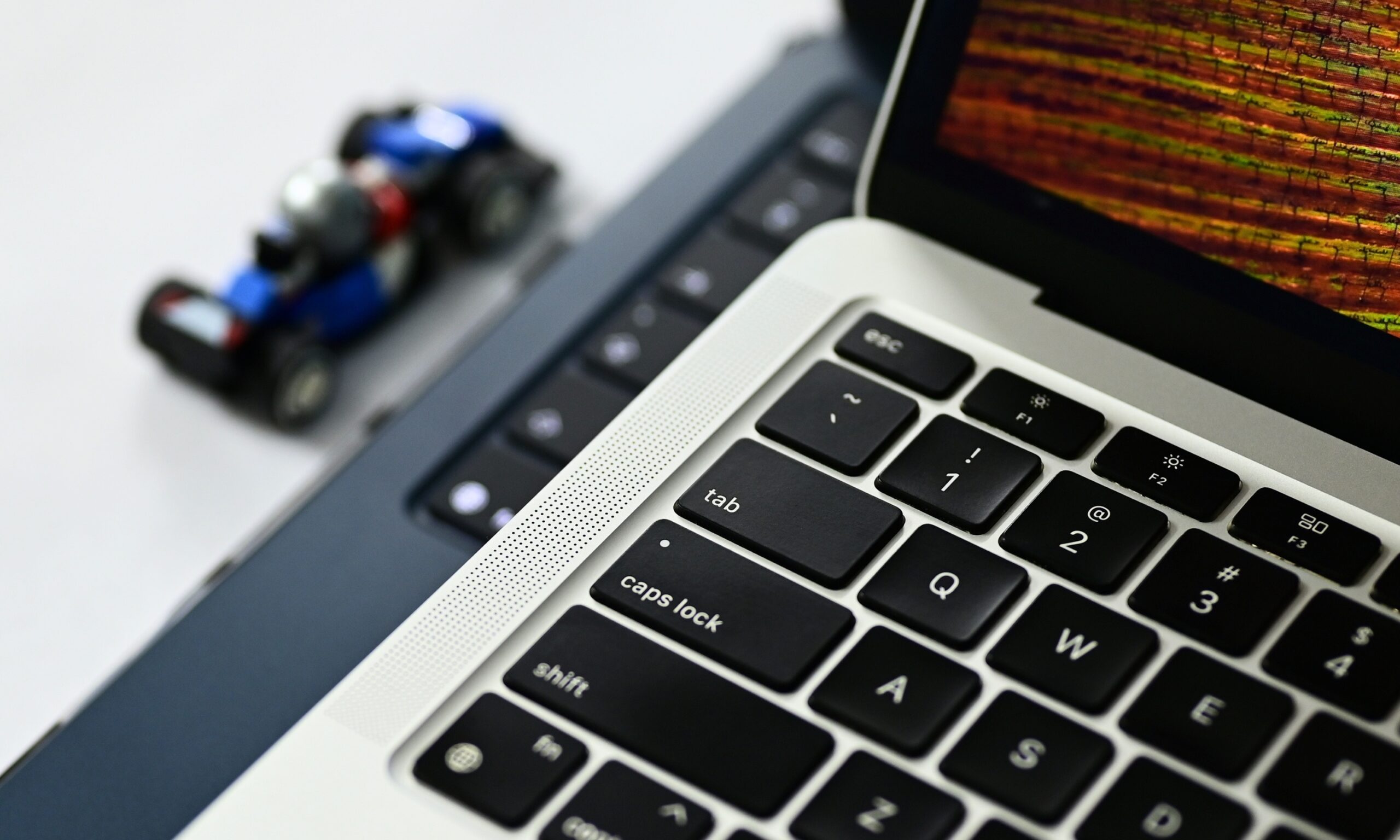
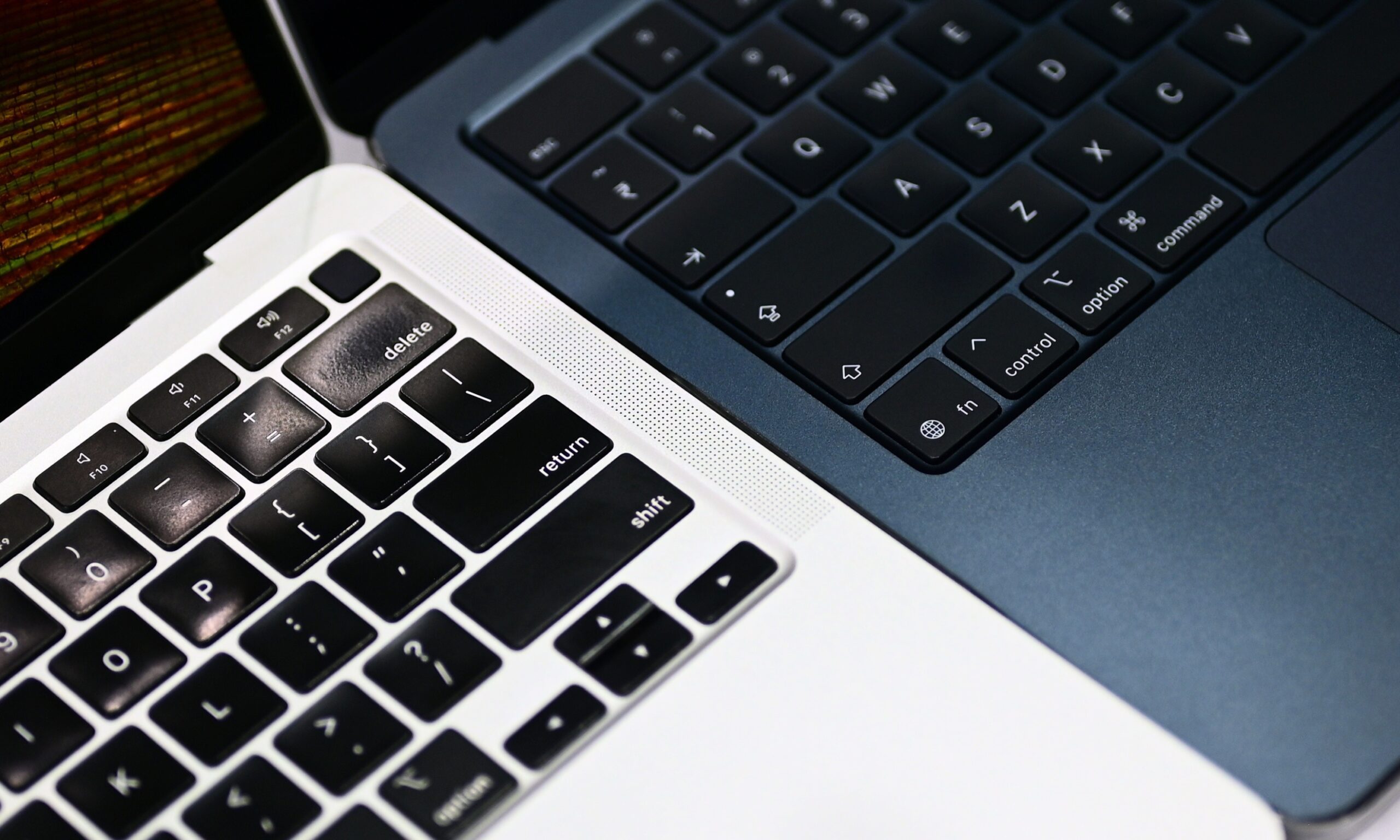
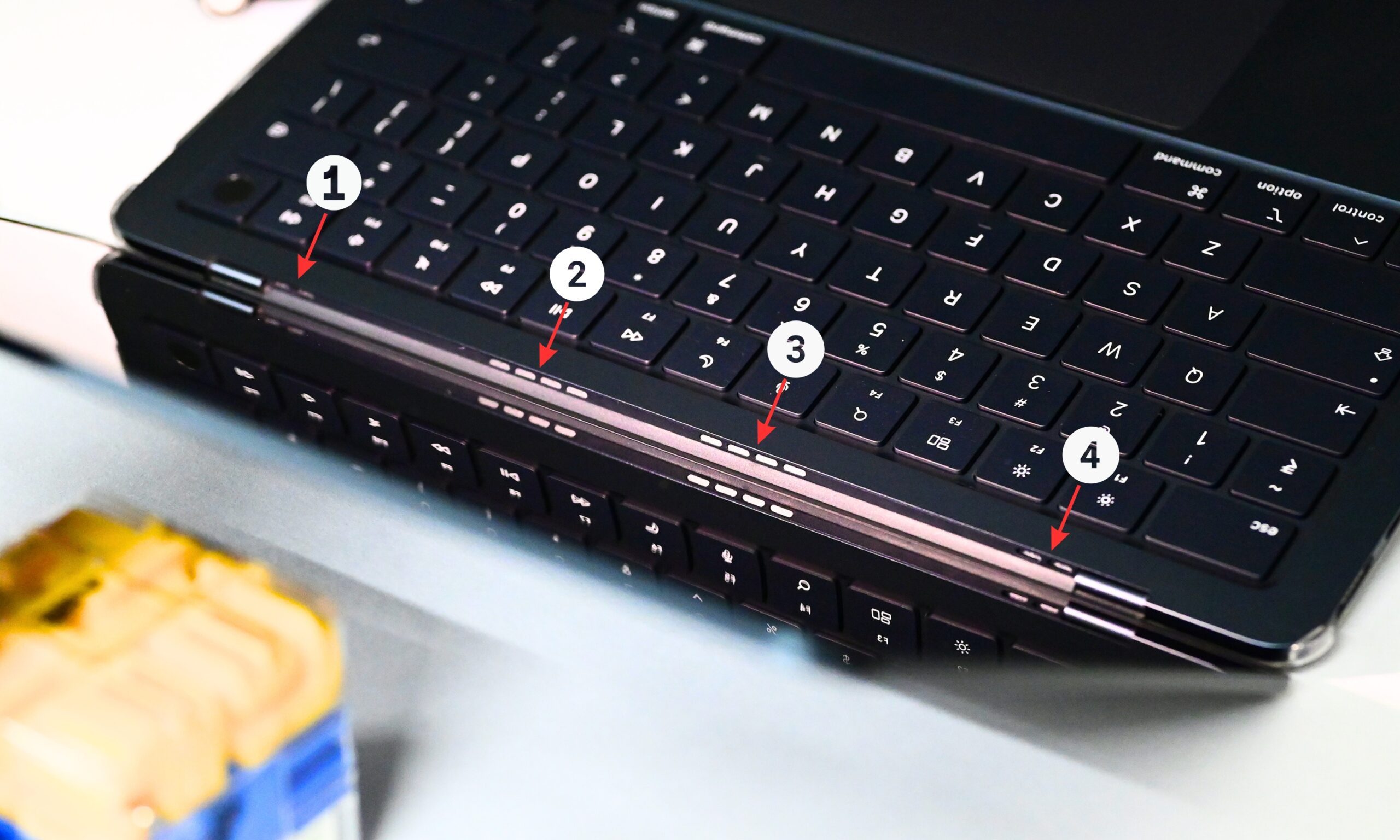
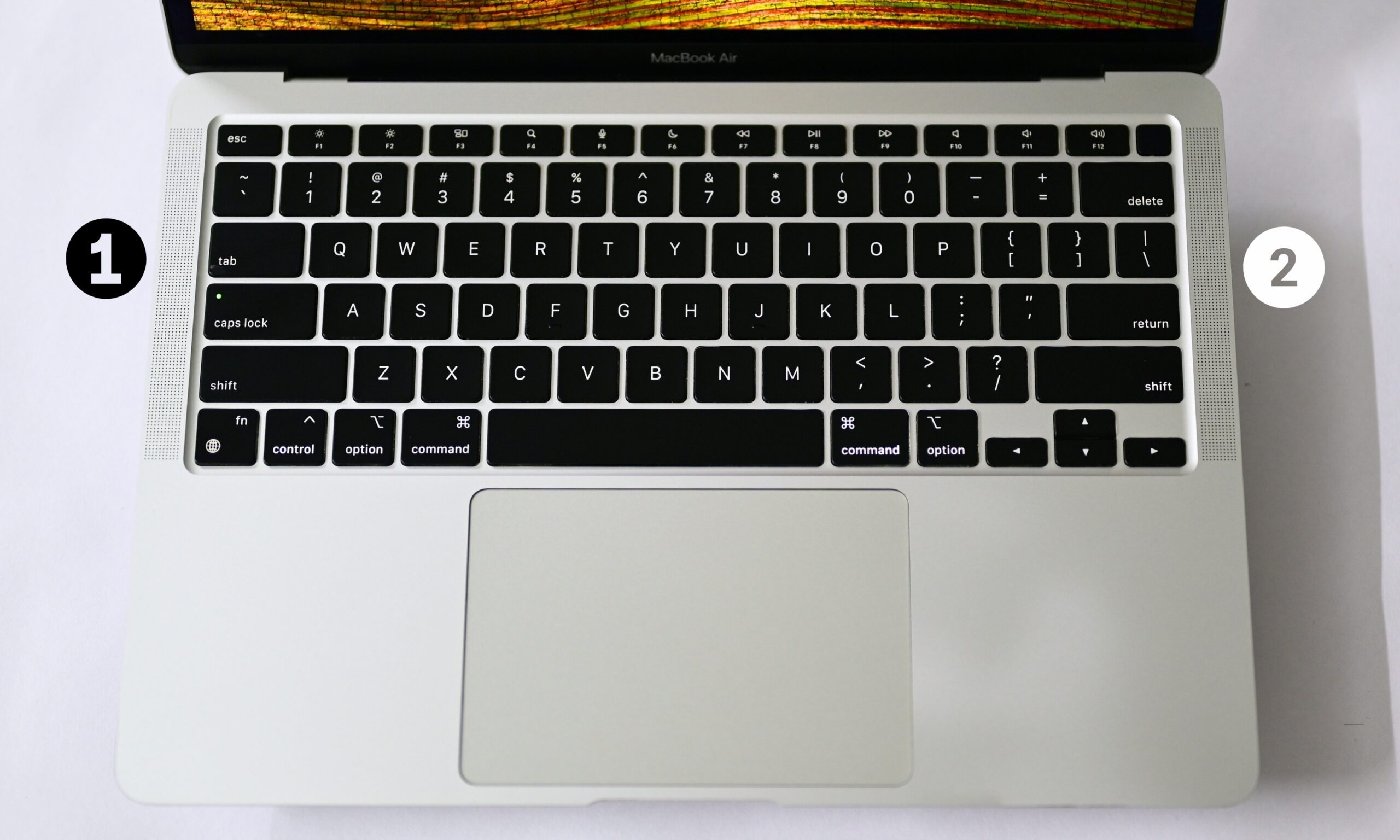
The M1 MacBook Air has two upward-firing speakers, so the sound goes straight to your ears. With the newer Air, Apple hides the speaker system in the wristband, meaning the sound bounces off the display before it reaches you.
This probably contributes to the difference; Sound bouncing off a fixed surface, rather than shooting directly at you, tends to scatter the low frequencies first, which explains exactly why the lows disappear while the highs stay crisp, even sharp in comparison.
Sitting across the table, he also felt that the speakers were not sounding well. To make sure it wasn’t just my ears playing tricks on me, I compared my M5 MacBook Air to a friend’s M1 MacBook Air, and the difference was immediately apparent. The M5 sounded clear, but the M1 was noticeably louder and fuller, the kind you want to play music with in the room.
As it turns out, I wasn’t the only one who heard it. Researching through Reddit, I found several people who came to the same conclusion after comparing the two machines side-by-side. One user On r/macbook, who claims to own four MacBooks, writes that “the M1 sounds the loudest of all.”
Others let’s say the speakers on the M5 MacBook Air sound clearer, while another user describes it “they are over-optimized for normal speech/dialogue clarity”. This matches my experience almost perfectly. Voices sound crisp, but there’s noticeably less low-end punch.
What’s missing is the loudness and richness that made the M1 MacBook Air’s speakers so impressive at full volume.

Can the software really solve this?
Since the hardware itself doesn’t change, I spent some time to see if macOS could compensate for the missing warmth and fullness through software, and there are two built-in tools worth knowing about, both found in the Music app.
The Equalizer, found in the taskbar under Window > Equalizer, allows you to manually boost or cut certain frequency bands, and on top is a preamp slider that controls the overall output level before each band kicks in. Pushing the preamp up will really make the M5’s speakers louder, and matching the missing bass mask will increase the missing bass mask somewhat.
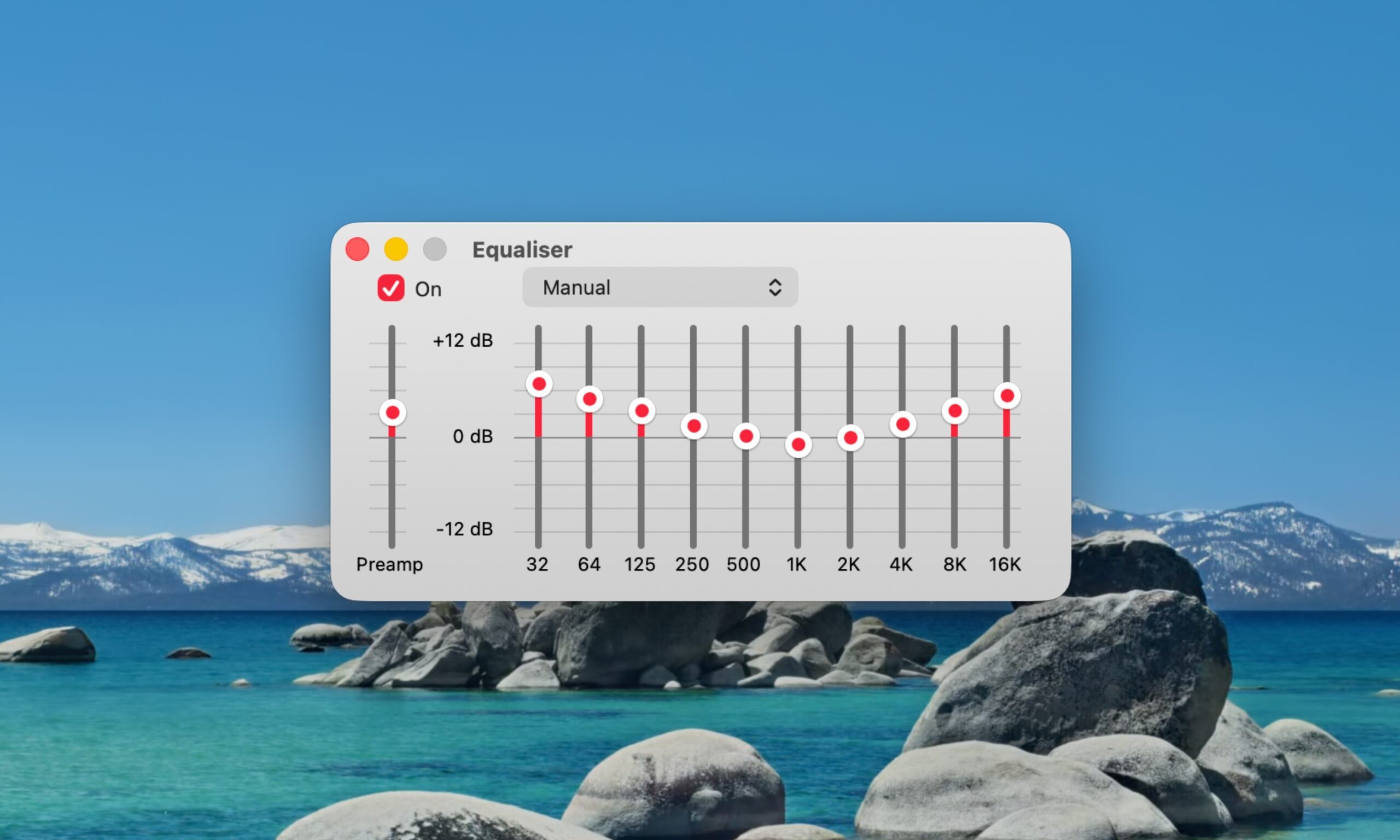
However, if you push the preamp too much, especially in combination with already maxed system volume, you’ll hear audible distortion and clipping, a crackling, strained quality that’s arguably worse than accepting the speakers’ limitations.
The second tool, Sound Enhancer, is located under Music > Settings > Playback and works completely differently than Equalizer. Rather than tuning in to specific frequencies, it broadens the perceived timbre by subtly changing how the lows and highs are processed together. Basically, it tricks your ears into hearing a wider, more spacious soundstage than two hinged speakers placed close together can naturally produce.
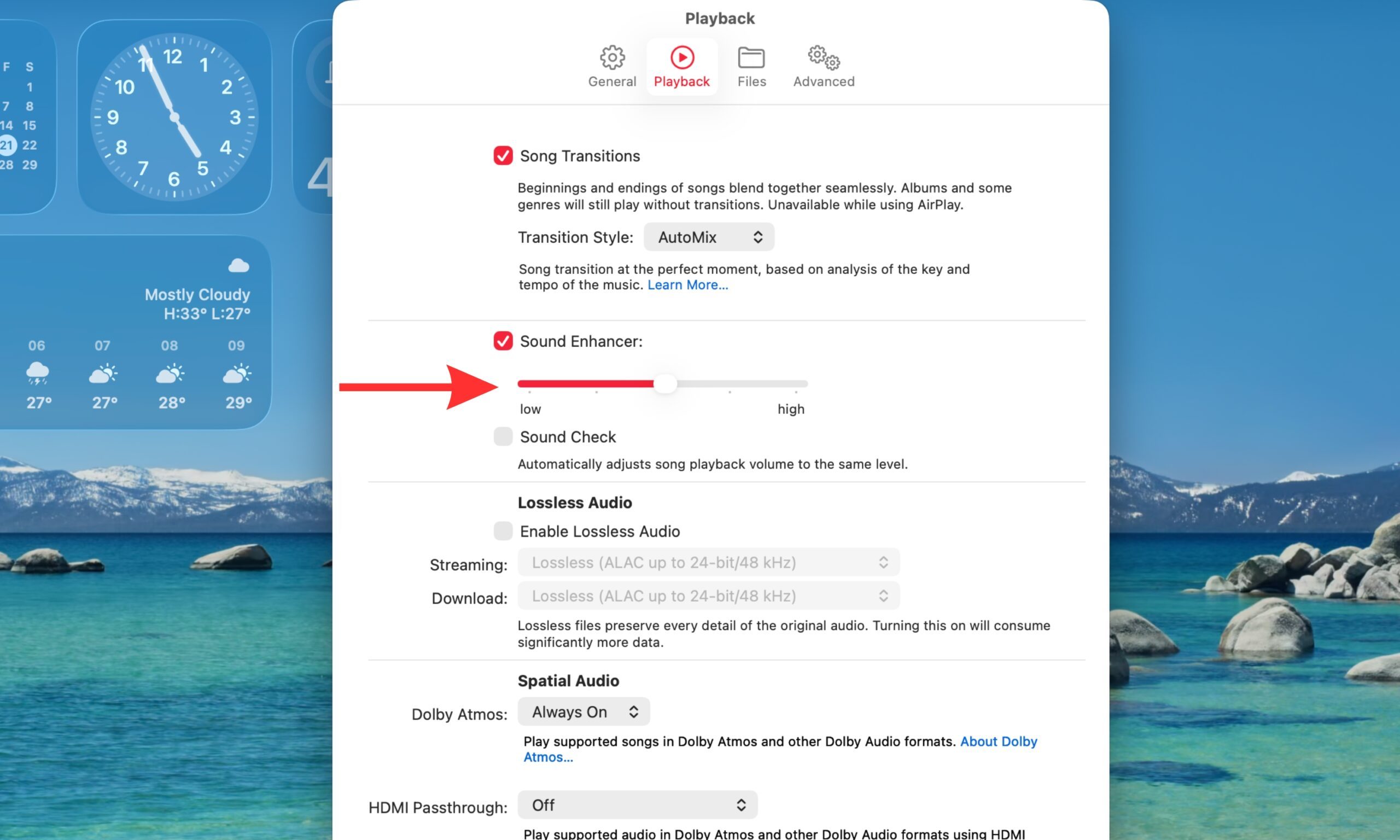
Turning it on made a noticeable difference for me; the music feels less punchy and center stage. It doesn’t increase the weight of the bass like the Equalizer increases the low end, but it significantly improves the “big” feeling of the sound. Between the two, I’d start with the Sound Enhancer for everyday listening, followed by a modest preamp and bass boost via the Equalizer.
Just don’t expect either to completely replace what the M1’s upward-firing speakers did for free.
Is this really a dealbreaker?
Not. Most people probably won’t notice the difference, especially if you’re coming from an older Windows laptop or entry-level notebook. But if you’re upgrading from an M1 MacBook Air, the difference is surprisingly easy to spot. And once you hear it, it’s hard to ignore.
It’s more of a PSA feature. The M5 MacBook Air offers a generational increase in performance, but while the screen experience is only marginally better, the speakers show a noticeable drop. However, if you go for the 15-inch M5 MacBook Air, it offers a better six-speaker system. And if upward-firing speakers are essential, then you need to step up from the Apple MacBook Pro models.
\