There is no getting around the fact that artificial intelligence is everywhere. From our smartphones to our refrigerators, every modern gadget seems to be equipped with artificial intelligence that promises to make life easier.
Artificial intelligence is also constantly conquering the beauty industry. Whether it’s an app that scans a selfie to identify potential skin issues or a pair of flat irons that use artificial intelligence to adjust their temperature to your hair type, they’re taking the guesswork out of skincare and beauty.
But can you really trust AI to correctly diagnose your skin problem and provide you with the right advice? Or is it just another elaborate marketing plan to get consumers to buy certain brands?
How can artificial intelligence help skin care and beauty care?
I think many people would agree that finding the perfect skin care routine is quite a challenge. Even though there are tons of recommendations, a product that works for one person may not work as well for another—even if they have similar skin concerns.
I’ve spent more money than I care to admit on products that friends or TikTokers (I know) swore changed their lives for the better, only to find that they didn’t really work for me. In fact, sometimes that’s the best scenario, as I even have a blacklist of products that have done the opposite of what they promised and made me break out.
I am not alone in this, e.g L’Oreal reported in a survey Of more than 2,000 skincare users, it found that nearly 80% relied on “trial and error” to find their holy grail – and it usually required seven products.
In an ideal world, the perfect thing would be to see a dermatologist who can diagnose and provide expert advice based on your exact needs. But visiting a dermatologist takes time and usually a lot of money. So this is where AI comes in.
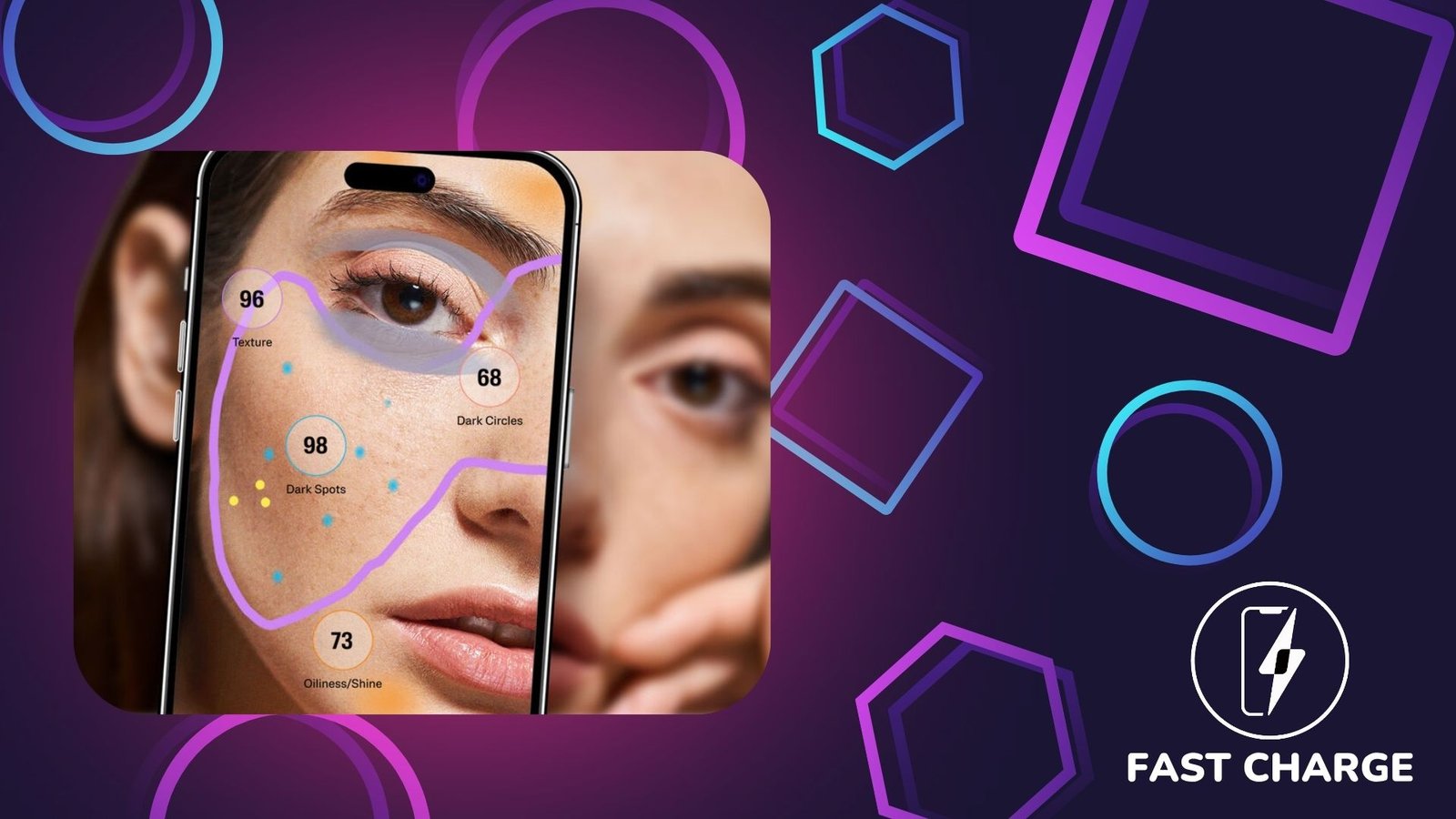
There are countless apps and services that promise to assess your skin’s needs and offer so-called personalized product recommendations, all with a simple selfie or face scan. Cetaphil offers one of the fastest AI skincare tools I’ve used and requires no registration. Instead, it simply takes a selfie and gives you 100 points based on factors like hydration, blemishes and redness, oiliness, dark circles and wrinkles, to name a few.
You can even click through all the different factors and see all the “problems” in your face.

From there, you’ll receive a handful of Cetaphil products that we select based on results. So, for example, my skin is reported to be shiny – although I prefer the word “shiny”, whatever – so I was advised to try Cetaphil’s Oily Skin Cleanser. But is this really the best product for me or is this just Cetaphil trying to get me to invest in their products?
Artificial intelligence has not only infiltrated skin care products. Brands like Dcypher promises to create a shade of foundation that is specifically suited to your skin tone and undertone.
I recently went on a big foray through the streets of London in search of a new shade of foundation after discovering that my tried-and-true formula had recently been discontinued. Discovering Dcypher sooner would have saved me time and unfortunately money as I made the stupid mistake of buying some bottles that looked good in the store but didn’t hold up well in the sunlight.
The limitations of AI skin care
But how accurate are these AI apps? On the surface level, although they can detect wrinkles or blemishes, can they really assess the root cause of the problems just by looking at your skin?
Personally, I like the L’Oreal Cell BioPrint idea, which was shown at CES in 2025, but won’t be available yet. Essentially, Cell BioPrint is a desktop device that provides users with personalized skin analysis. To get your analysis, put a facial strip on your face, place it in L’Oreal’s buffer solution, then load it into the machine to get your analysis.

During processing, the device takes pictures of your face to match the pattern.
Will artificial intelligence become a regular part of our skin care routine?
I’m not convinced AI is an integral part of our skin care routine at this stage. Yes, apps and scanners can detect obvious potential skin problems, but I don’t think it’s particularly groundbreaking. yet.
Until AI-powered skin tools can assess the root causes of conditions and give more in-depth advice on how to help your skin, rather than just generic product recommendations, I don’t think it should be relied upon. That said, it’s fair to say that if you’re not sure where to start with your new skin care routine, using an AI scanner can be a good place to start.
\