
Bitcoin (BTC) edged lower on Monday as a less-liquid environment erased gains above $80,000 over the weekend.
Key points:
- Bitcoin fell 2% below $80,000 after its highest weekly close since early May.
- Traders wait and see ahead of the week’s key volatility catalyst in the form of US inflation data.
- Analysis praises Bitcoin’s “resilience” as it has a narrow range since mid-August.
Bitcoin Needs US Inflation Catalyst: Analysis
BTC/USD is down around 2% at the time of writing data from TradingView. This price action comes after its first weekly close above $80,000 since early May.
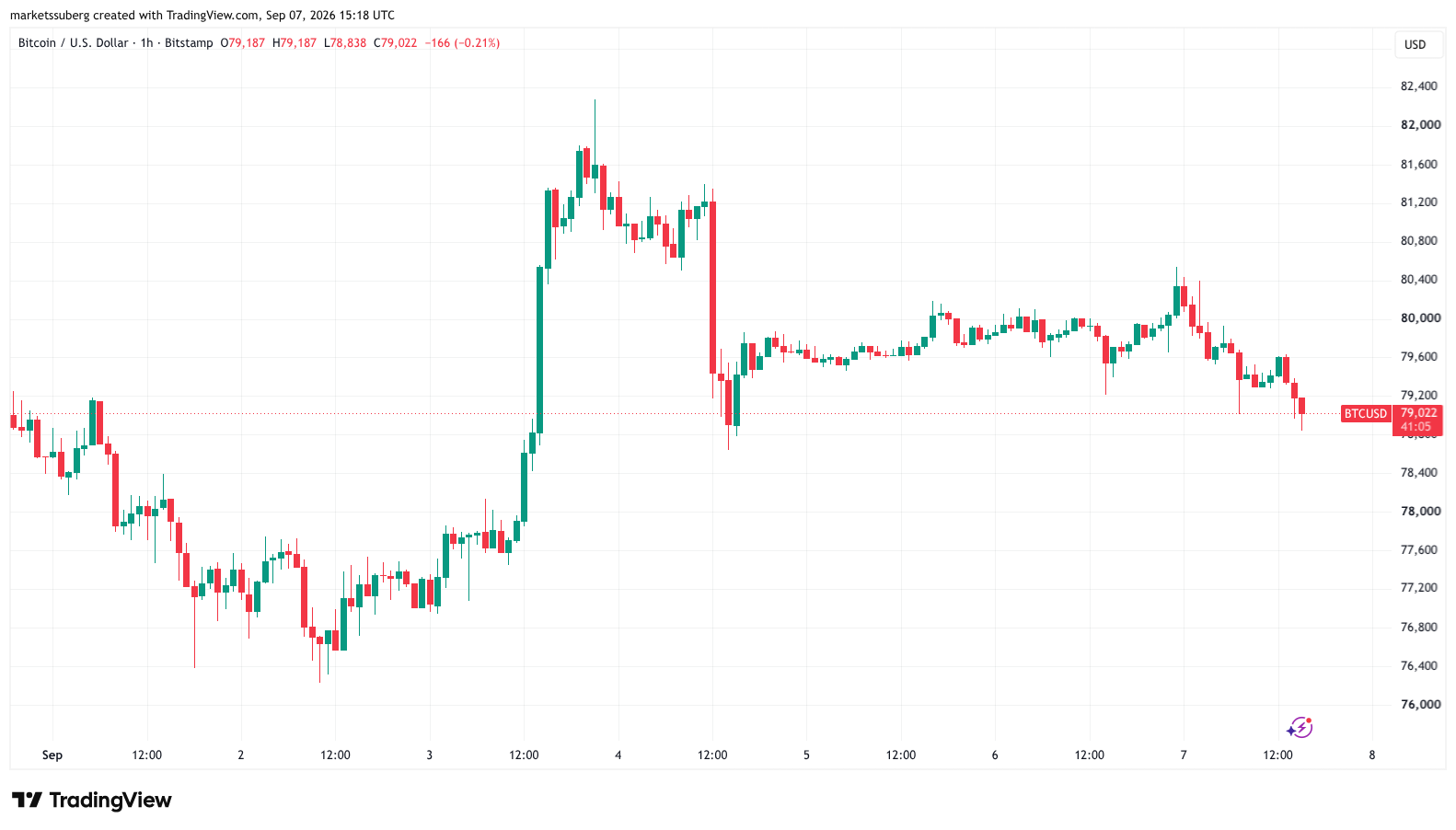
BTC/USD hourly chart. Source: Cointelegraph/TradingView
With US markets closed for the Labor Day holiday, thin order books have raised the possibility of sudden moves to target liquidity both above and below spot prices. data from Coinglass The past 24 hours showed liquidation evenly split between long and short positions, with cross-crypto totals of $178 million.
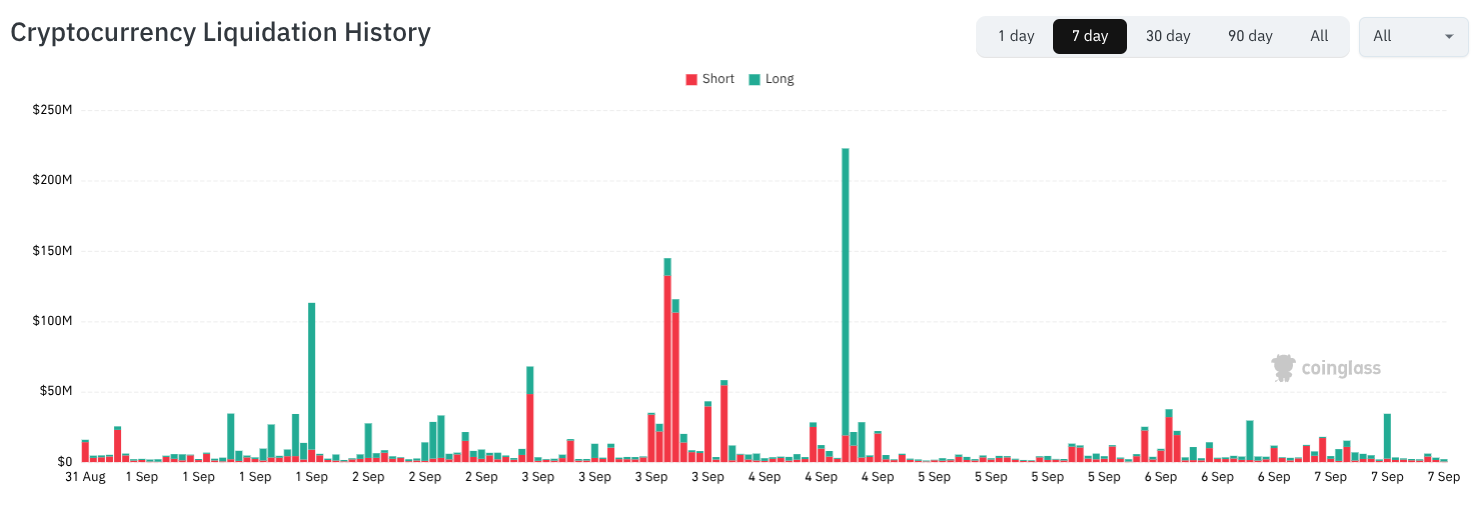
Crypto liquidation history (screenshot). Source: CoinGlass
Liquidity concentrated in Monday’s course with short-term targets close to $80,500 and $78,800.
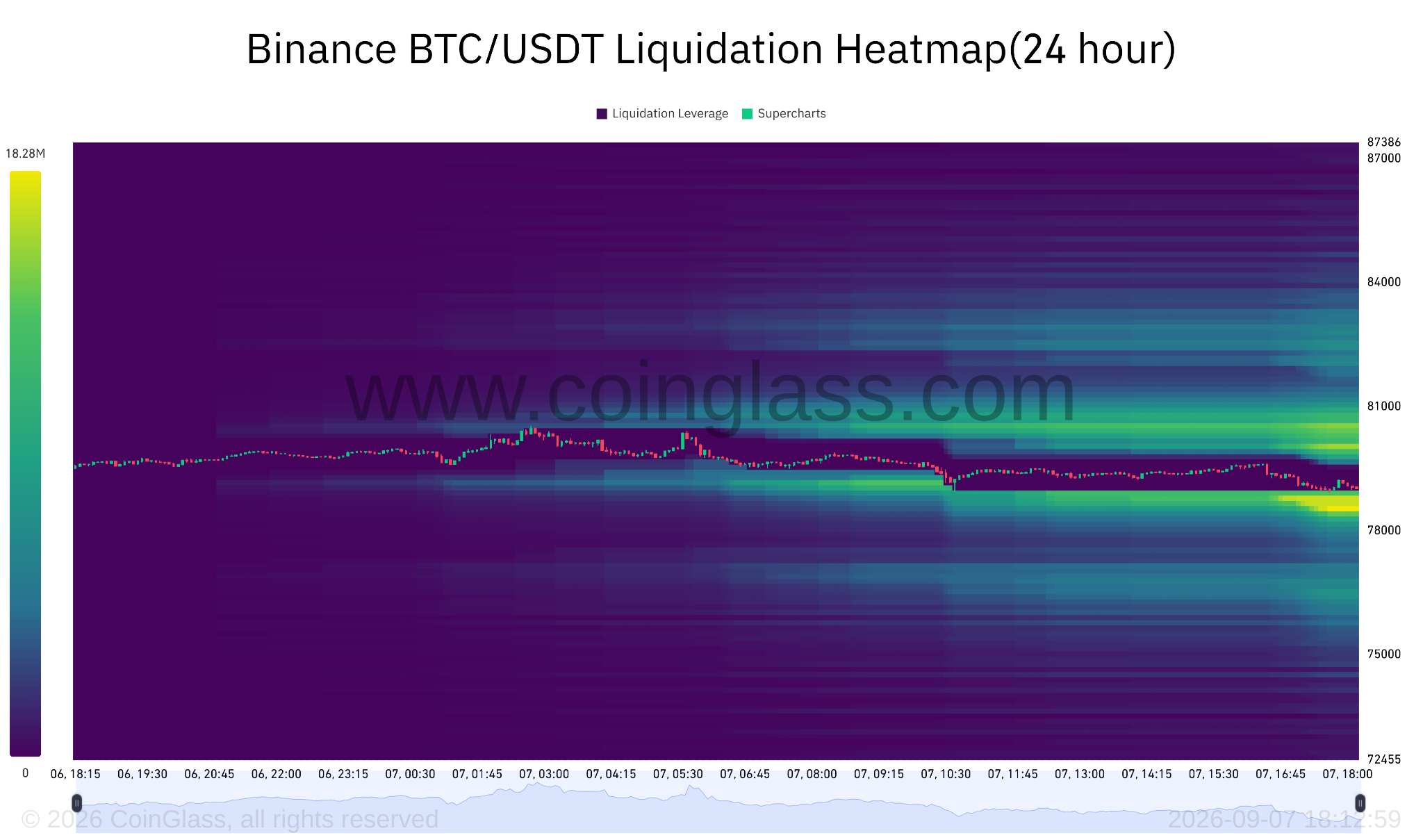
Crypto Liquidation Heatmap. Source: CoinGlass
In comments, trading company QCP Capital flagged a decline in overall volatility, suggesting traders need external catalysts. This is due to the form US inflation data on Thursday and FridayThat could affect market expectations for an interest rate hike by the Federal Reserve.
QCP wrote In his latest analysis. It added that “markets are positioned for a directional pause after inflation data comes in.”
BTC price “resilience” draws attention
Despite a limited range run since August 21, BTC/USD offered and held bullish signals. Most of its 25% profit Since the beginning of last month.
Related: Here’s what happened in crypto today
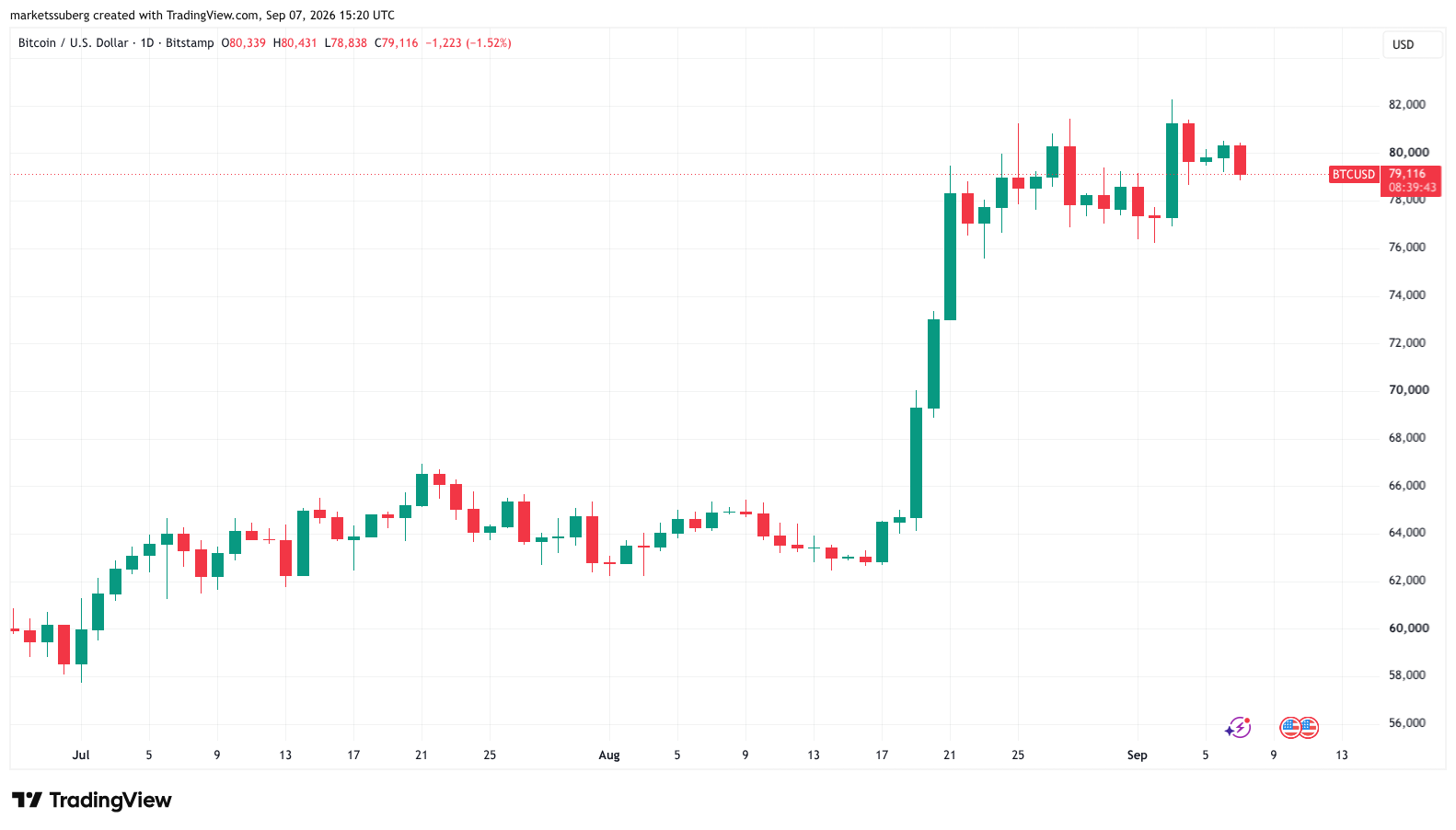
BTC/USD one day chart. Source: Cointelegraph/TradingView
In comments sent to Cointelegraph, Bitget Principal Analyst Ryan Lee noted that Bitcoin digested last week’s US macro volatility trigger, which was a Surprising growth in nonfarm payrolls.
“Bitcoin’s resilience is notable because strong employment typically puts upward pressure on yields and the dollar, creating a difficult environment for risk assets,” he said.
“The market’s ability to absorb that repricing suggests that investors are not considering a potential Fed hike as the only factor driving bitcoin to current levels.”
As Cointelegraph reports, US spot bitcoin exchange-traded funds (ETFs) are also on the radar. Net inflows of $730 million on Thursday. This was the cohort’s highest one-day tally since January.