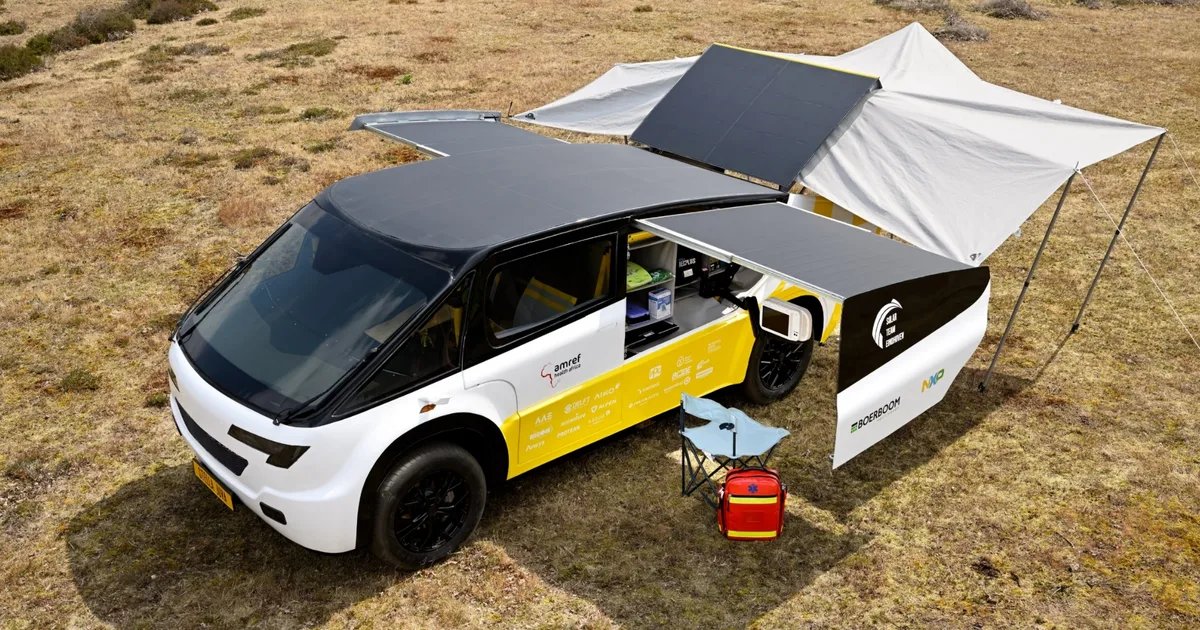
For years, solar vehicles have lived largely in the world of prototypes, university projects and ambitious demonstrations. Now we’ve done a test that does much more than explore a flashy concept: it’s driven hundreds of miles over rough terrain while carrying medical equipment and generating enough electricity to run on its own.
The vehicle named Stella Juva is Solar Team EindhovenA group of 23 students from Eindhoven University of Technology and two other educational institutions. according to the CNN reportthe team describes it as the world’s first solar-powered ambulance. But unlike traditional ambulances, the Stella Juva is designed less to rush patients to hospitals and more to see people who can’t easily reach them.
This distinction could make the project significantly more useful than another solar car prototype.
This solar-powered ambulance survived the real-world test
The team recently partnered with Amref Health Africa to take the Stella Juva to Kenya and test its ability to travel long distances over difficult roads while operating medical equipment in remote locations.
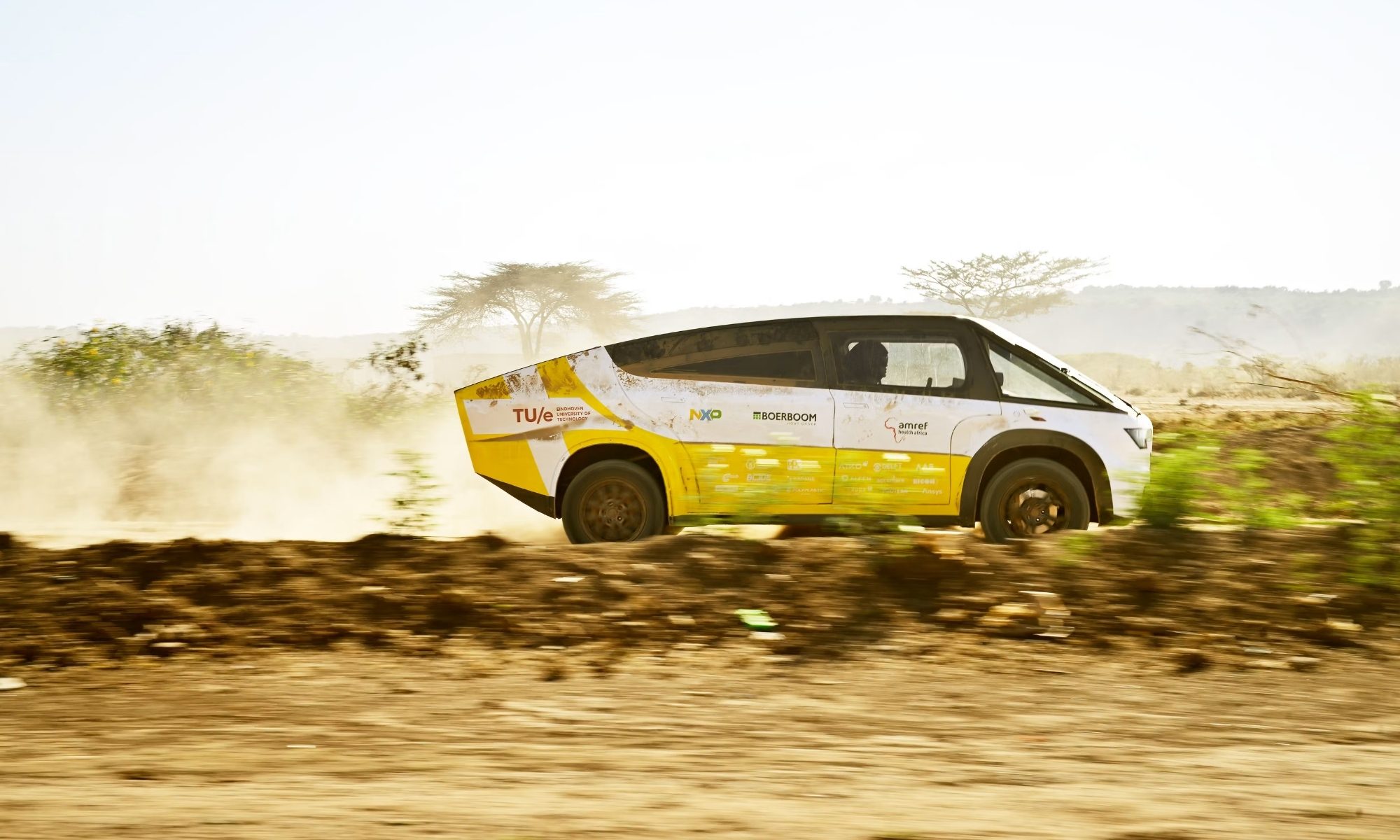
That’s how it happened. The students drove the vehicle more than 800 kilometers (about 500 miles) around Kenya, including a trip to the Mosiro Health Clinic in southwestern Kenya’s Narok region, where there is no electricity. The journey took hours on dusty clay roads full of potholes. Still, the team said the vehicle performed better than expected.
Stella Juva supplies an X-ray machine, an ultrasound scanner and a refrigerator to keep vaccines cold. Solar panels on the roof charge the vehicle on the go, while expandable panels can be folded out when stationary to provide additional charging capacity.
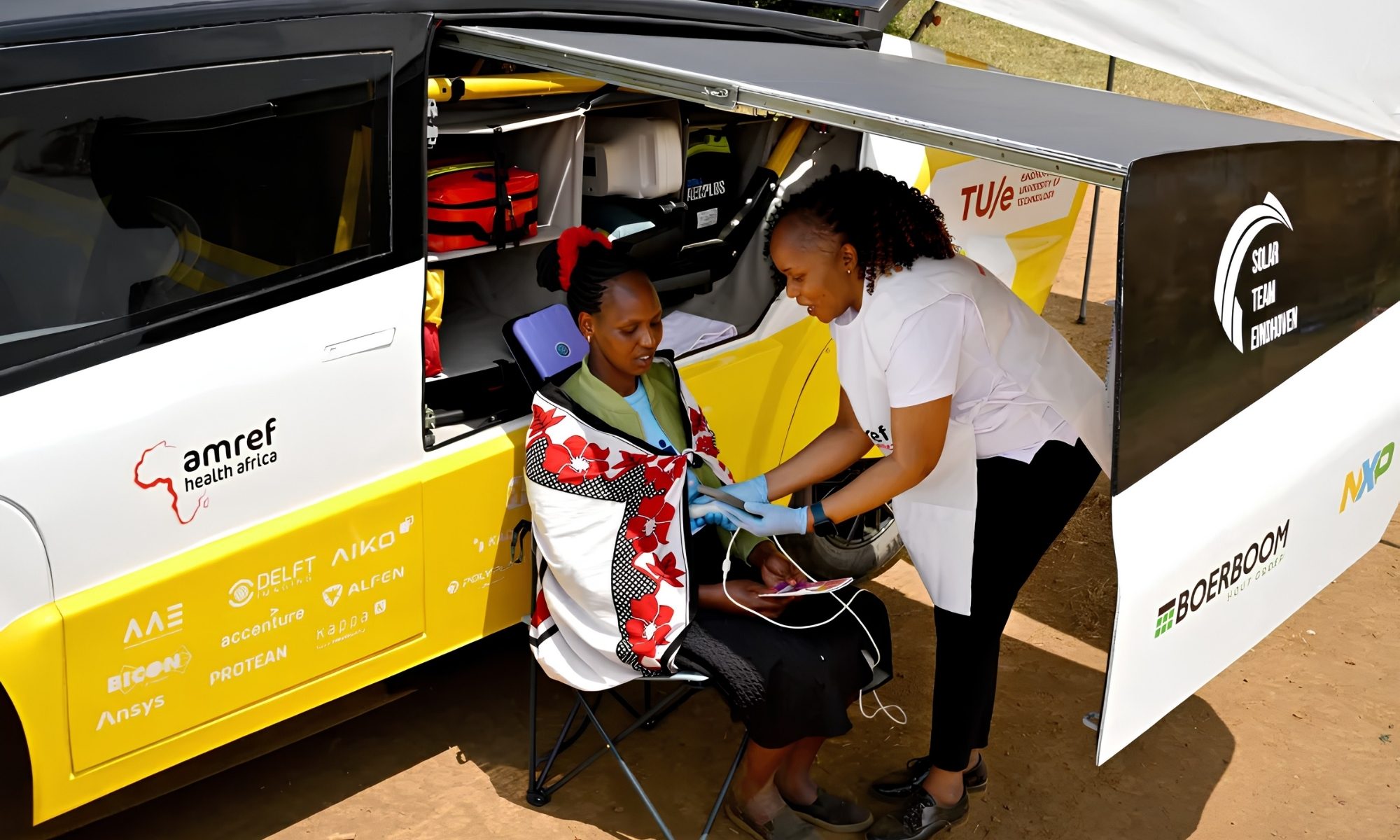
Most importantly, the testing showed that the ambulance was able to generate more energy than it consumed while stationary while simultaneously operating all of its on-board medical equipment. The equipment was not used on real patients during the test, but Solar Team Eindhoven and Amref estimate that around 200 people could have been treated over two days.
The bigger idea is to bring healthcare to patients
The project comes in a place where reliable electricity remains one of the health challenges. CNN reports that roughly a third of Africans live more than two hours from health services, while access to electricity remains a problem in health facilities across the continent.
This makes Stella Juva’s success even more significant than simply proving that solar panels can move a vehicle. Solar Team Eindhoven has been making sustainable vehicles since 2013, including solar-powered and off-road projects. Some of these ideas have already moved towards commercial applications; Lightyear, founded by five alumni, recently unveiled a demonstration electric vehicle developed with Nissan that uses solar charging technology.
The ambulance still faces a major hurdle: from successful prototype to actual medical deployment. Funding is already a challenge for Kenya’s healthcare sector, and Stella Juva is returning to the Netherlands after trials.
But the Kenyan lawsuit is changing the conversation. This isn’t just another solar vehicle sitting on a display stand. It demonstrated that the solar-powered medical vehicle can travel over rough roads, reach off-grid clinics, and generate enough power for its equipment. In the case of solar power delivery, this may be the evidence that ultimately counts.
\