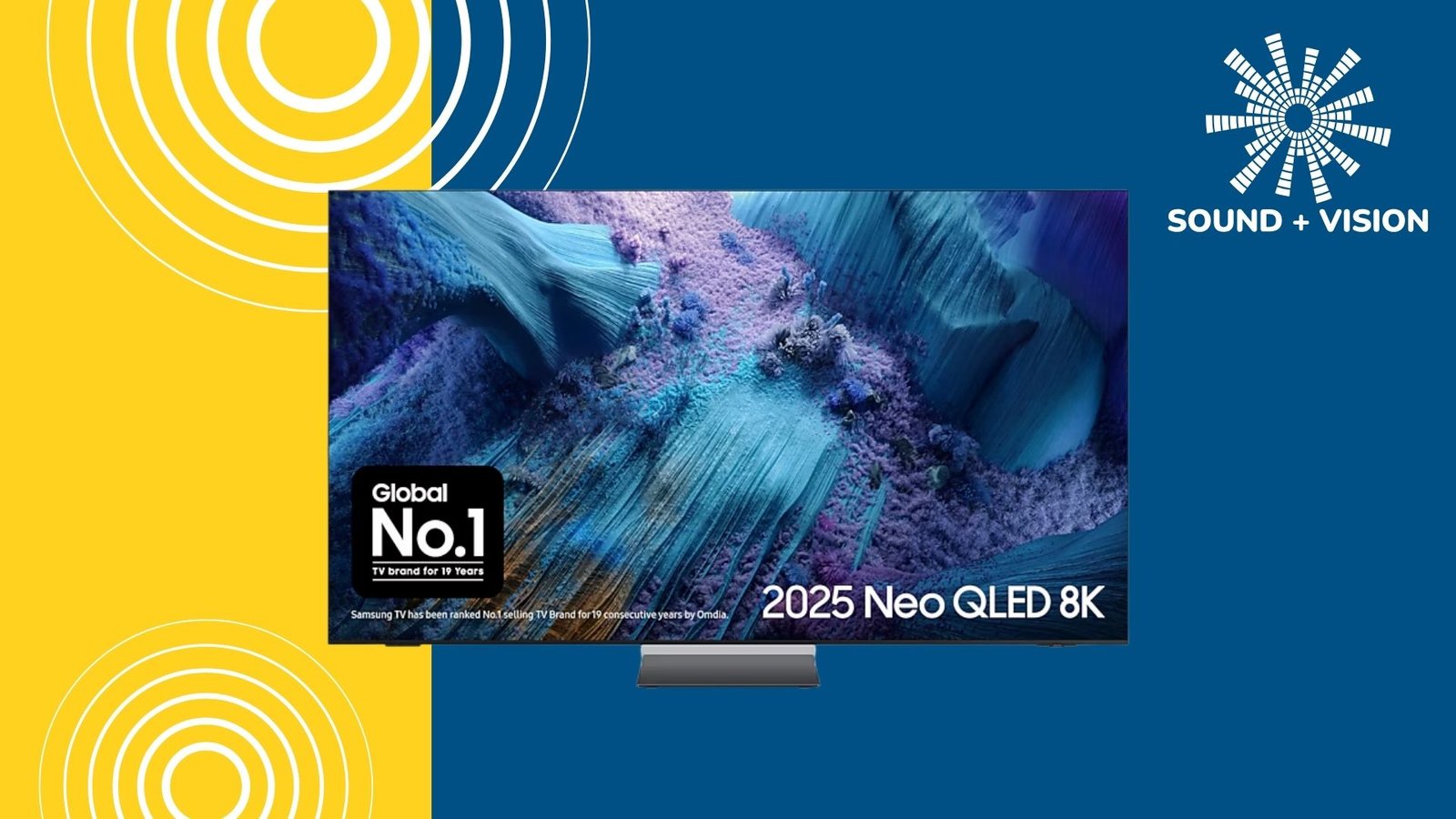
I’ve written quite a bit about 8K TV over the years, which seems so odd for a format that never really caught on.
Maybe hope really kills. How much effort do TV brands put into presenting the 8K future, only to slowly retreat and pursue other picture quality directions. And although it seems that no one has officially put their bets on 8K TVs, the silence surrounding the technology has already approached a deafening level.
I recently thought of 8K when I was going through our best buys and updating the best 8K TV page. The options have dwindled over the last few years and every time I look at it, it’s not to add anything, but probably to remove a TV that’s no longer available and refresh the replica to reflect the current state of 8K and a technology that was more of a thing than a thing.
With RGB TVs occupying the minds of TV brands, I can’t help but wonder where TV is headed next.
Searching for the next shiny thing

I’ve written a lot about 8K coming too soon and trying to do too much without the content. Some people on internet forums might still think that 8K is over the horizon, but if studios and the like wanted to make content available, they would have done so years ago. There is more apathy than excitement around 8K, which has consumed it all. Samsung was the biggest fan of the format, but even that has gone quiet recently.
TV brands have been searching for the answer to the next frontier of TV technology, but so far it has failed. It started with 3D in the 2010s, a technology that no one seemed to have figured out how to make home. This started a series of “shiny” new things that the industry investigates, works on and works hard on, then leaves the list as it pursues other “shiny” things.

QLED started out as a premium technology for £2,000+ TVs and can now be had for £350. You’ll see marketing for QLED TVs that they’re brighter and more colorful than regular TVs (or something like that), but the problem with that is that QLED standardand no advancements in technology in the budget price range for years.
We then dealt with MicroLED, but quite correctly, which proved to be prohibitive in terms of cost and intended market. MicroLED is more B2B – at best a custom installation for millionaires and billionaires. His dream that MicroLED could make 55-inch sizes was just that – a dream.

We’ve had fancy-looking OLED TVs before — LG introduced its rollable OLED-R — but designs like that have come and gone, leaving less of a crater and more of a scoop of dirt. Then we use Mini-LED (Quantum Dot Mini LED), but it experiences a similar trajectory as QLED. Panel technology that began its life as the reserve of the wealthy is now available. The Samsung M80H is an entry-level Mini LED for £699. A few years ago and it would have cost £2,000.
The RGB Mini LED seemed like it might be the cure, but now that we’re past launch, RGB doesn’t feel like a breakthrough. That’s not to say that RGB TVs aren’t good – some are better than others, of course – but it’s already suffering from a lack of excitement and enthusiasm. After all, it’s an LCD TV and has the same strengths and weaknesses.
Let’s not forget about OLED, which seems to be the only TV technology that can withstand diving and become affordable. But it suffers from a lack of competition – Sony is jumping in, Hisense and TCL are denying it, Panasonic is struggling to establish itself, and no other TV brand will touch it due to the dominance of LG and Samsung in the sector.

Where to next?
It feels as if the TV industry has slowly exhausted its possibilities, but at the same time the customers are not very enthusiastic.
We’re still in a cost-of-living crisis, but something has changed in the conversation around TVs. Teenagers and young adults care more about their phones, younger kids are growing up with tablets, and these are the rising generations that TV brands are trying to entice.
However, TVs are no longer the epicenter of home life – the transition to streaming has freed all ties and ties to the big screen in the living room. For the first time in its history, the IPA TouchPoints data survey has shown that for UK adults (aged 15+) Mobile phone time overtook TV viewing for the first time. When I was growing up, TV was the window to the outside world, the only way to see huge events if we weren’t there. This is no longer the case.
It’s not so much TV itself that’s changed—it’s still doing the same thing it did sixty years ago—but everything that’s happened around it. What does the future of TVs look like? I’m not sure, but it can’t be more. That’s part of why he’s where he is now.
\