Cycling is not a really expensive hobby. But once it gets serious, a cyclist can frankly spend too much money trying to gauge what their legs are doing. In a more professional environment, things like instrumented pedals, bike computers, heart rate monitors and more start to become important. All of this only helps you squeeze more information out of each trip.
Now researchers from La Trobe University (Via TechXplore). It’s not special hardware either; it’s a small gadget that fits in your pocket—and yes, it’s your phone. Researchers at the Holsworth Biomedical Research Center are developing artificial intelligence models that can estimate the forces exerted by cyclists on the pedals using video-recorded movement. The rider can simply record themselves with their smartphone and receive biomechanical information that currently requires much more specialized equipment.
AI monitors every pedal stroke
The system uses deep learning to connect what it sees in the cyclist’s movement with the actual forces measured on the pedals. For this research, the model was trained using synchronized laboratory recordings, which include one data set of video footage of the rider in motion, while another data set measures the real forces occurring during each pedal stroke. The AI then learns the relationship between the two and attempts to predict these forces from motion alone.
And we’re already seeing some promising results. In a previous study involving La Trobe researcher Rodrigo Bini, he used recurrent neural networks to predict three-dimensional pedal forces and forces and forces at lower limb joints. This report showed correlations between measured and predicted variables ranging from 0.79 to 0.96, although accuracy varied depending on the estimated force or joint measurement. So the new project could make it easier to scale up these types of analyzes outside the lab.
The phone will not replace the power meter tomorrow
This research is still in its early stages. La Trobe isn’t dropping an app anytime soon. Bini estimates that within five to 10 years, smartphone apps could potentially allow almost anyone to record their movements and estimate cycling forces. The team is now strengthening and validating its data set, and preliminary results are expected to be presented at the International Society for Biomechanics conference next year.
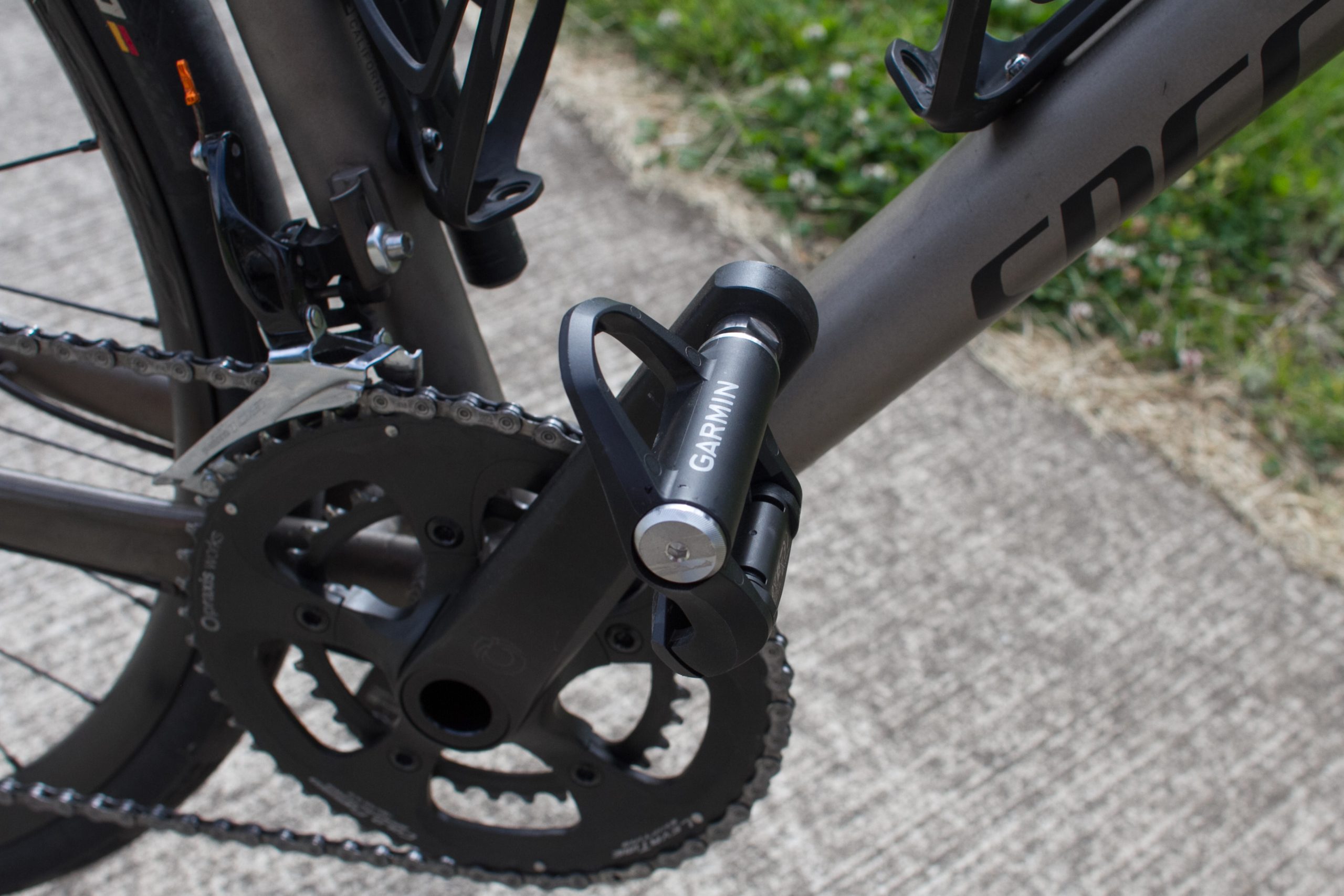
We’ve previously tested smart pedals like the Garmin Vector 3, which can tell you where and when you’re generating power during your pedal strokes. However, this kind of granular data has traditionally required dedicated sensors and serious money. By turning a phone camera into an approximation of this toolkit, truly useful cycling biomechanics are available to many more riders. With AI also being used as a fitness trainer, we will soon see the technology being used to fine-tune the physical aspects of our lives.
\