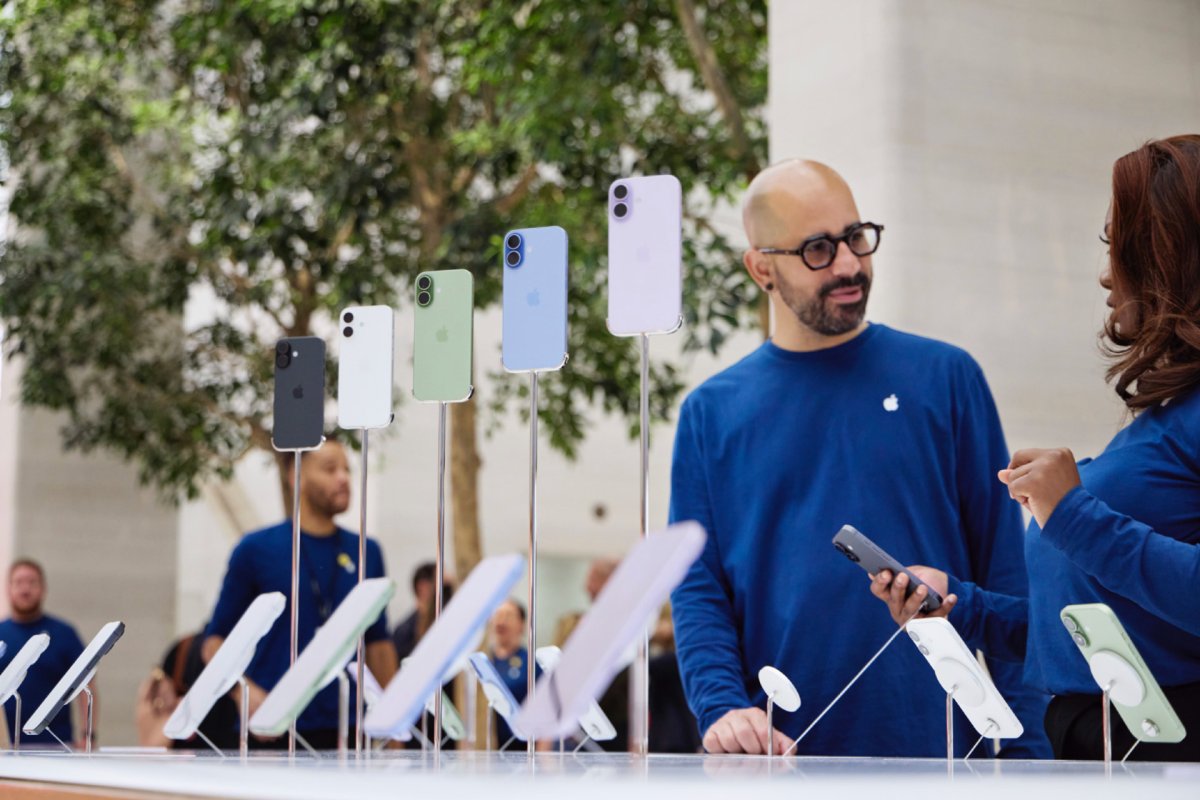
The next battleground of the smartphone industry may not be the phone itself, but how consumers receive it. As premium devices get more expensive, Apple, Samsung, and others are betting that leases, subscriptions, and guaranteed buyback programs can make upgrades more attractive.
This week, Apple launched Apple Upgrade in the US in partnership with Klarna, allowing consumers to rent an iPhone, Mac, iPad, or Apple Watch for a monthly fee with the option to upgrade, return, or eventually purchase the device. Samsung, meanwhile, has Presenting its Galaxy Forever program In India, combine financing with guaranteed buybacks to allow consumers to upgrade to more predictable Galaxy flagship smartphones.
In Apple’s earnings call on Thursday, CEO Tim Cook said The upgrade program is intended to make it easier for customers — especially those who prefer regular updates — to access the company’s latest products through a rental plan. He also said that Apple’s relatively high resale value makes the model suitable for such plans.
The change comes as consumers keep their smartphones longer, as prices rise as tight supplies drive up memory and other component costs, and. Incremental hardware improvements which has kept the old equipment to be able to last longer. That leaves manufacturers with less opportunity to sell new devices while also reducing the flow of mobile phones into the growing refurbishing market. Analyst firm Counterpoint Research expects the global average replacement cycle to expand to four years by 2026, up from 3.5 years in 2025.
The trend is evident in the United States, where owners of popular smartphones now keep their devices for an average of 42 months, up from 38 to 40 months last year, according to marketing firm IDC. That prompted smartphone makers to experiment with leases, subscriptions, and guaranteed buyback programs.
“These projects basically won’t work unless there’s a secondary market,” said Max Weinbach, an analyst at Creative Strategies. “The only way to keep the used or refurbished market is to make sure the equipment goes into that market, and the leasing and warranty buyback programs make that possible.”
However, the industry’s challenge isn’t just getting consumers to upgrade more often—it’s also convincing them that these new ownership models make more financial sense than buying outright.
When renting makes sense
Matt Schulz, chief consumer finance analyst at online lending marketplace LendingTree, told TechCrunch that “leasing isn’t for everyone, but it makes sense, especially for those who upgrade frequently”. Consumers who keep their phones for three, four, or five years, however, are often better off buying them outright than opting for a subscription or lease, he said.
For those who upgrade every year or two, however, the economy can be closer than it appears. “It’s important to emphasize the fact that this is an upgrade project done through a lease, rather than a rental project,” Weinbach said. “The intent is that users will turn on their devices every 12 to 36 months because they intend to upgrade regardless.”
Based on an analysis of Apple’s new program, Weinbach told TechCrunch that consumers who change their phones more often can pay about the same – or, in some cases, even less – than they would buy a device now and buy it later, especially in a higher storage model where the trade-in value does not reflect their higher purchase price.

However, the project is not only about making more popular smartphones available. Smartphone manufacturers also see them as a way to keep customers within their ecosystem as devices become more expensive and replacement cycles lengthen.
“The real driver isn’t shorter upgrade cycles; it’s protecting margins and retention as pricing pressures increase,” IDC vice president of device research Navkendar Singh told TechCrunch.
Instead of just trying to get consumers to switch their phones more often, brands are trying to convert low-cost smartphone purchases into more predictable monthly payments that keep customers in their ecosystem, Singh said.
The concept of monthly payments for smartphones is not new, especially in the United States, where wireless carriers offer long financing plans and upgrades associated with service contracts. However, what has changed is that phone manufacturers are trying to own that relationship themselves.
Carrier financing helps make premium smartphones more affordable in the U.S. “It’s the 36-month interest-free financing and aggressive trade-ins of up to $1,100 that make the U.S. the region with the highest average smartphone selling price,” Nabila Popal, senior research director at IDC, told TechCrunch.
Existing financing and commercial offerings have helped Apple and Samsung dominate the US smartphone market with a combined share of more than 80%, according to IDC.
The transition to subscriptions and alternative ownership models is also creating opportunities for startups. BytePewhich offers subscription plans for smartphones and other electronics in India, said that more than 80% of its customers choose subscription over outright purchase or traditional EMI plans.
Founder and CEO Jayant Jha told TechCrunch that BytePe’s typical customers are young professionals in their first or second job who want access to premium smartphones without paying full price upfront or committing to a long ownership cycle.
The trend is not limited to the United States and India. Companies like Raylo of the UK and Grover of Germany have built a business around renting smartphones and other electronics through monthly subscription plans.
Analysts expect more companies to follow suit. “The primary objective is to increase customer lifetime value by improving retention, creating predictable upgrade cycles, and ensuring the stability of commercial equipment for renewal and resale,” Tarun Pathak, director of research at Counterpoint Research, told TechCrunch.
Pathak expects the initiative to become more common in the premium smartphone segment, though he believes financing will remain a more important tool for improving affordability.
However, absolute ownership is unlikely to disappear anytime soon. Mandeep Manocha, co-founder and CEO of Indian smartphone trading and customization platform Cashify, expects rental, subscription, and purchase to coexist rather than replace each other.
“All three business models have a place, and they will continue to do so,” Manocha told TechCrunch. “There’s a natural transition that could happen from full ownership to leasing, but it’s a long journey.”
That may be especially true in the United States, where carrier financing has long dominated premium smartphone purchases.
IDC’s Popal expects Apple’s new Upgrade program to have a bigger impact on Mac sales than the iPhone, saying the offering is more likely to expand financial options than fundamentally change the way people buy their next smartphone.
When you purchase through a link in our article, we may receive a small fee. This does not affect the independence of our editors.